Golden Plum Blossom and Crane: A Designer's Review
When I first opened the file for Golden Plum Blossom and Crane, my initial reaction was a mix of anticipation and caution. As someone who spends hours evaluating embroidery designs for client work and my own handmade shop, I know that a beautiful image on a screen does not always translate to a flawless stitched product. This design immediately caught my eye with its classic Asian-inspired motif, but before I commit it to a final piece, I need to understand how it behaves under the needle, how it fits into a real-world project, and whether it delivers the value customers expect.
The Mood and Visual Personality
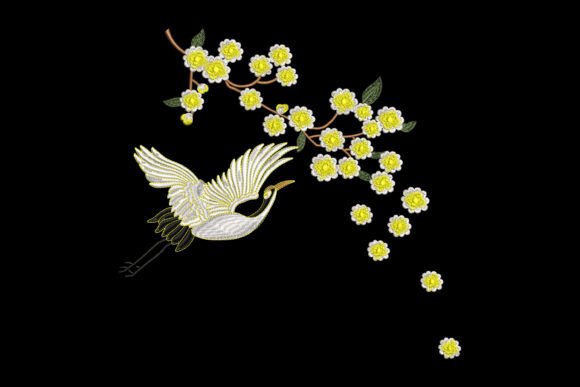
The concept behind this design is timeless. The combination of a crane and plum blossoms evokes a sense of serenity, longevity, and resilience. Visually, the layout feels balanced, with the graceful stance of the bird anchoring the composition while the golden flowers provide an elegant counterpoint. In terms of visual appeal, it strikes a sophisticated tone that works well for high-end gifts or boutique branding. It avoids the cluttered look of many mass-produced digital files, offering a clean aesthetic that suggests quality craftsmanship.
However, the "golden" aspect of the title requires careful attention. If the thread colors chosen do not offer enough contrast against the background fabric, the design can lose its definition. I found myself imagining this design on a crisp white tea towel versus a deep navy apron. On light fabrics, the golden hues will shimmer beautifully, creating a warm, inviting atmosphere. On darker backgrounds, the same threads might appear muddy if the stitch density isn't adjusted correctly. The mood is undeniably peaceful, making it perfect for nursery decor or a wedding gift, but it demands a certain level of finesse in execution to truly shine.
Real-World Application: From Screen to Stitch
Let's talk about where this design actually lives. I recently considered using Golden Plum Blossom and Crane for a custom embroidered tote bag intended for a local craft fair. The tote was made of sturdy canvas, a material that handles embroidery well. My thought process was that the crane symbolizes travel and wisdom, which fit the brand perfectly. However, as I moved to the hoop, I had to consider the placement. The design has vertical elements; placing it too close to the seam or handle would cause distortion during stitching.
In a scenario involving custom apparel, like a sweatshirt or a baby onesie, the design performs differently. For a baby item, the delicate nature of the plum blossoms adds a touch of luxury that parents love. But here lies a practical challenge: stretchy knits require specific stabilizers to prevent puckering. If you are an Etsy seller planning to list this as a finished product, you must ensure the stitch density is appropriate for the fabric weight. Too much density on a thin cotton tee shirt will make the fabric stiff and uncomfortable, reducing the perceived value of the garment.
I also tested the concept mentally for a holiday gift, perhaps a pillow cover or a kitchen towel. These items benefit from the intricate details of the crane's feathers and the layered petals of the blossoms. The design acts as a focal point, drawing the eye immediately. When used as a commercial embroidery asset for a small shop, it conveys professionalism. Customers associate such detailed imagery with higher quality, often willing to pay more for a piece that looks handcrafted rather than machine-stamped.
Where Caution Is Required
Despite its elegance, there are specific scenarios where Golden Plum Blossom and Crane needs a second look. Small hoop sizes are the first red flag. If the design contains fine lines in the crane's beak or the tips of the flower petals, shrinking it down to fit a 4x4 inch hoop could result in lost detail. The stitches might merge together, turning the delicate branches into a solid blob of color. Always inspect the small details in your digitizing software before cutting the thread.
Textured fabrics present another hurdle. While linen or denim adds character, they can hide the precision of a satin stitch. If the fabric texture is too rough, the smooth curves of the crane may get lost. Similarly, stretchy fabrics like jersey require extra care. Without proper stabilization, the tension of the embroidery can pull the fabric out of shape, ruining the silhouette of the garment. Dark fabrics are particularly tricky with golden threads; unless you use a high-contrast underlay or a lighter base thread, the design might lack the pop needed to stand out.
Curved surfaces, such as caps or fitted hats, add complexity. The design needs to be warped correctly to follow the curve of the head. If the curvature is too aggressive, the top of the crane might lift off the fabric, creating loose threads that snag easily. For products that need frequent washing, like aprons or baby clothes, dense stitch areas can trap lint and detergent, leading to a dull appearance over time. In these cases, the design might need to be simplified or placed away from high-friction zones.
Practical Notes for the Designer
Before you finalize your order or start stitching, there are several technical steps every designer should take. First, test the design on scrap fabric that matches your final material. This allows you to see how the thread colors interact with the specific weave of the cloth. Check the stitch density closely; if the fill stitches are too heavy, the fabric might pucker, and if they are too light, the underlying material might show through.
Reviewing the design in black and white mockups is a trick I use frequently. It helps determine if the contrast levels are sufficient without relying on color perception. Compare how the design looks on both light and dark backgrounds to ensure versatility. Confirm the hoop size requirements early on to avoid resizing issues later. Inspect the small details, especially the fine lines of the crane's legs and the edges of the petals, to ensure they are distinct and not prone to breaking.
Using the proper stabilizer is non-negotiable. For this type of detailed floral and avian design, a cut-away stabilizer often provides the best support for long-term durability, especially for items that will be washed repeatedly. Additionally, verify whether the license covers commercial use if you plan to sell the finished product. Many designers assume a personal license allows for resale, but this is rarely the case. Ensure you have the rights to sell items featuring Golden Plum Blossom and Crane.
Final Thoughts on Value and Trust
Ultimately, the success of Golden Plum Blossom and Crane in a commercial setting comes down to trust. When a customer receives a personalized gift or buys a boutique item, they are paying for the assurance of quality. A well-executed embroidery project that captures the grace of the crane and the beauty of the blossoms builds that trust. It elevates a simple tote bag or a plain sweatshirt into a keepsake.
For the creative entrepreneur, this design offers a versatile tool. Whether you are creating digital embroidery files, selling handmade products at a craft fair, or fulfilling custom orders for clients, this motif brings a sense of calm and sophistication. Just remember that the difference between a good design and a great one often lies in the preparation. Take the time to test, adjust, and refine. By doing so, you ensure that the final product reflects the high standards your brand represents.
If you are looking to expand your collection of embroidery projects or add a touch of elegance to your custom apparel, this design is a strong candidate. It balances artistic flair with practical application, provided you respect the technical constraints of the medium. With the right approach, Golden Plum Blossom and Crane can become a staple in your portfolio, delighting customers and enhancing your reputation as a skilled maker.