Rainbow Fluff Owl: A Designer's Real-World Review
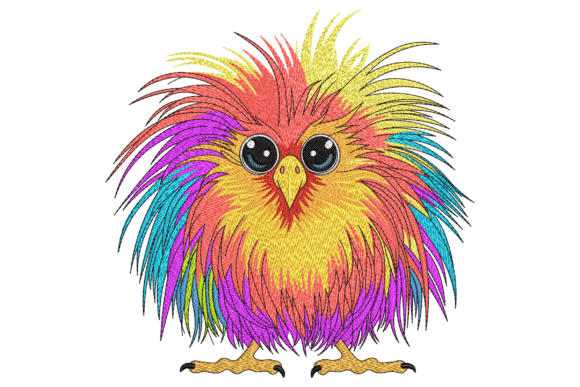
When I first opened the file for Rainbow Fluff Owl, my immediate reaction wasn't about stitch counts or digitizing techniques. It was about the mood. There is a specific energy this design brings to the table that feels distinct from standard avian motifs found in most collections. As someone who has spent years evaluating digital assets for both personal crafting and commercial small business ventures, I look for designs that do more than just fill space; they need to tell a story. This piece delivers a playful, whimsical narrative that stands out immediately against a neutral background.
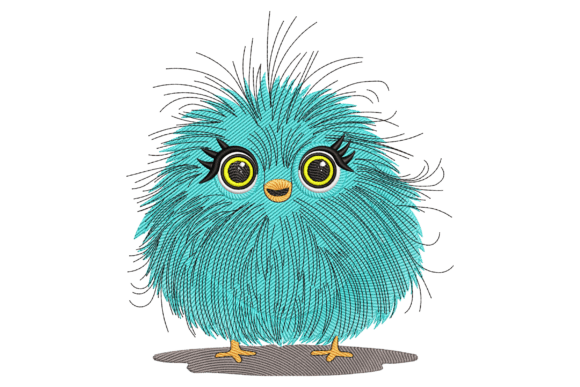
The visual personality of Rainbow Fluff Owl suggests a design intended for joy. The concept of "fluff" implies softness and texture, which translates well into machine embroidery when executed correctly. For an embroidery designer or a creative entrepreneur looking to expand their catalog, this isn't just another bird motif; it is a character with attitude. Whether you are an Etsy seller preparing listings for handmade products or a boutique owner curating unique inventory, understanding the emotional resonance of your design assets is crucial. This design naturally belongs in spaces where warmth and charm are prioritized over rigid formality.
Real-Life Application: From Digital File to Finished Product
Let's move beyond the screen and talk about how this machine embroidery design behaves on actual fabric. I recently considered using Rainbow Fluff Owl for a custom project involving a set of kitchen towels for a holiday gift collection. The goal was to create something that felt cohesive but not overly matchy-matchy. The playful nature of the owl made it an ideal candidate for adding a splash of color to a rustic linen tea towel.
In this scenario, the design acts as a focal point. When stitched onto a light-colored cotton blend, the vibrant thread colors pop without overwhelming the fabric. However, the decision-making process changes depending on the substrate. If I were to apply this to a heavy-duty canvas tote bag, the stability of the design becomes paramount. The whimsical touch works beautifully here because it contrasts nicely with the rugged durability of the bag material. Conversely, if I were thinking about baby clothes, the soft aesthetic aligns perfectly with nursery decor themes.
I also evaluated its potential for apparel decoration, specifically sweatshirts. The design's layout allows it to sit comfortably on the chest area of a hoodie without feeling cramped. It transforms a basic garment into a statement piece, increasing the perceived value of the finished product. For a craft business owner, this kind of versatility is gold. It means one digital file can generate multiple revenue streams, from personalized gifts to branded merchandise.
Technical Performance and Stitch Considerations
As a reviewer, I must address the practicalities of stitching. While the description highlights the design's charm, the execution relies heavily on proper technique. The term "fluff" in the title suggests a reliance on fill stitches to create volume. In real-world application, high stitch density is often required to achieve this effect, especially on textured fabrics. If the density is too high, the fabric may pucker, particularly on thin materials like jersey or lightweight polyester blends.
For those working with stretchy fabrics, such as t-shirts or activewear, stabilizer choice becomes critical. A cutaway stabilizer might be necessary to maintain the integrity of the design over time, ensuring the "fluffy" details don't sag after washing. On the other hand, woven fabrics like denim or canvas generally hold up better, allowing the design to retain its crisp edges. When testing this design, I always recommend checking the stitch density in a black and white mockup first. This helps visualize how the different elements will interact before committing expensive thread and fabric.
The use of satin stitch for outlines and running stitch for finer details adds depth, but it requires precision. If the hoop size used during digitizing does not match the physical hoop used during production, alignment issues can arise. This is why verifying the recommended hoop size before starting any project is non-negotiable. Furthermore, the contrast between thread colors and the fabric background dictates the final clarity. Dark fabrics might swallow the lighter pastel tones of the rainbow, making the design appear muddy rather than vibrant. Always test on scrap fabric first to ensure the thread palette pops as intended.
Where Caution Is Required
Not every surface is suitable for this level of detail. Small hoop sizes present a significant challenge. If you attempt to shrink Rainbow Fluff Owl down to fit a tiny patch or a cap brim, you risk losing the intricate details that give the design its character. Curved surfaces, like baseball caps, add another layer of complexity. The tension variations across a curved needle path can distort the "fluff" effect, making the owl look uneven or flattened.
Dense stitch areas should also be approached with care. On dark fabrics, the underlay might show through if not balanced correctly, creating a shadow effect that detracts from the colorful theme. Additionally, products that require frequent washing, such as aprons or children's clothing, need robust construction. The design must be anchored well to prevent unraveling. If the design includes decorative accents or tiny lettering, these are the first elements to degrade with wear and tear. For items meant for daily use, it is wise to reinforce these areas or reconsider the design choice entirely.
Impact on Brand and Customer Perception
In the world of handmade goods and commercial embroidery, the quality of the finish directly impacts customer trust. A poorly executed design can make a professional-looking item appear amateurish. Rainbow Fluff Owl, when done right, elevates the presentation of a product. It signals attention to detail and a commitment to quality. For an Etsy seller or a small shop owner, this distinction can be the difference between a casual browse and a confident purchase.
The design's whimsical nature fosters an emotional connection with buyers. People buy personalized gifts and custom apparel not just for utility, but for the sentiment behind them. An embroidered owl that looks charming and well-crafted enhances the giftability of the item. It becomes a conversation starter at a craft fair or a cherished keepsake for a new parent. This recognition factor is vital for brand consistency. Using a cohesive, high-quality design asset like this helps establish a recognizable style across your entire product line.
However, visual appeal alone is not enough. The professionalism of the finished product depends on the underlying technical choices. Are you using the correct stabilizer? Did you account for fabric texture? These decisions determine whether the design shines or fails. By treating each project with the same rigor, you ensure that every embroidery project meets the high standards expected by modern consumers.
Practical Notes for Designers and Makers
Before you download and start stitching, there are several steps you must take to ensure success. First and foremost, check the licensing terms. Confirm whether the digital embroidery file allows for commercial use if you plan to sell finished items or distribute digital assets. Many creators overlook this, leading to legal complications later.
Review the stitch density and thread colors provided in the file. If the default colors do not suit your fabric, adjust them thoughtfully to maintain contrast. Test the design on a variety of fabrics, including light and dark backgrounds, to see how the colors behave. Inspect small details closely; sometimes, what looks fine on a screen can become illegible when stitched. Use proper stabilizers to support the fabric and prevent distortion.
Finally, compare the design in both digital mockups and physical samples. Create printable mockups to visualize the design in context before cutting fabric. This step saves money and prevents frustration. Whether you are a hobbyist making a birthday gift or a seasoned decorator fulfilling a large order, taking the time to validate the design ensures that Rainbow Fluff Owl performs exactly as needed. With careful planning and execution, this design offers a fantastic opportunity to add a dash of charm to your next creation.