Quirky Bird Review: A Designer's Take on Real-World Embroidery
When I first opened the file for Quirky Bird, my initial reaction wasn't about the stitch count or the file format. It was about the mood. There is a specific energy in a design that tells you exactly where it belongs. This piece exudes a playful, slightly mischievous charm that feels right at home on a handmade tote bag or a cozy nursery wall hanging. As someone who has stitched hundreds of designs for client projects and my own small shop, I know that not every digital asset translates well to thread. Some designs look great on screen but fall flat under the needle. Fortunately, Quirky Bird passes the practical test with flying colors.
The First Impression: Personality in Thread
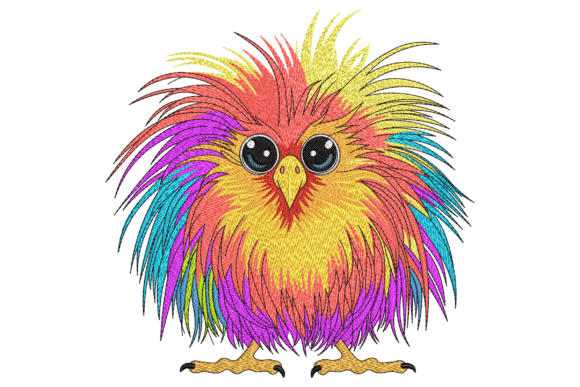
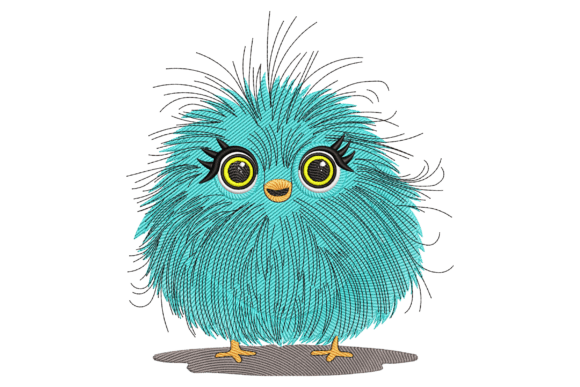
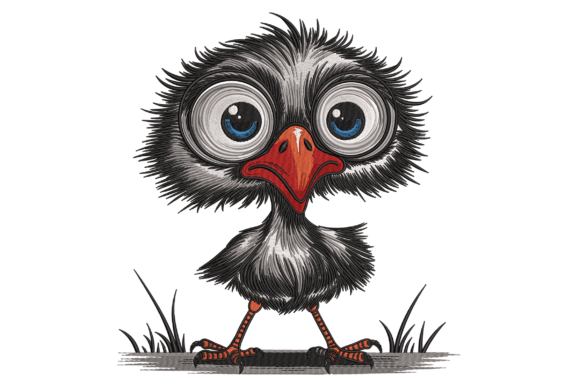
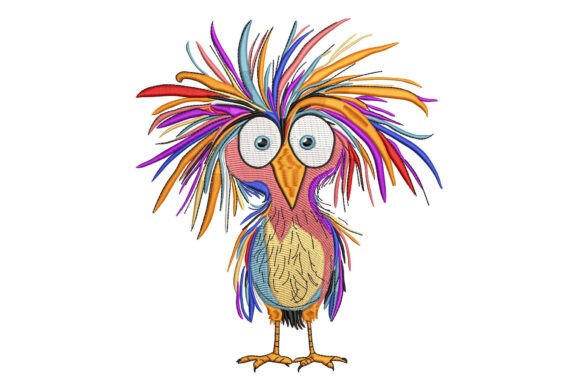
The visual personality of this design is its strongest selling point. Unlike generic silhouettes that can feel sterile, Quirky Bird has distinct character. The shape suggests movement, and the layout balances detail with enough negative space to prevent the final product from looking cluttered. For an embroidery designer, this balance is crucial. If a design is too dense, it risks puckering the fabric; if it is too sparse, it lacks impact. This machine embroidery design strikes a happy medium.
The theme fits perfectly into the Birds category, offering a fresh twist on traditional avian motifs. Whether you are creating a custom apparel line or personalizing gifts, this design brings a sense of whimsy that customers love. It feels like a design that invites interaction, making it ideal for products where the buyer wants to feel a connection to the maker. It is not just a bird; it is a statement piece that adds a touch of quirkiness to any project.
Real-World Application: From Screen to Stitch
Let's talk about how this actually performs when you take it out of the digital realm and into your hoop. I recently considered using Quirky Bird for a batch of custom embroidered patches intended for a boutique clothing brand. The goal was to create a unique identifier for their new summer collection. The design's clean lines and defined shapes made it an excellent candidate for patch work. When stitched onto a sturdy twill backing, the details held up beautifully without losing definition.
However, the versatility extends far beyond patches. Imagine taking this design to a local craft fair. You could use it on canvas tote bags, turning a plain accessory into a conversation starter. The design works exceptionally well on linen tea towels as well, adding a decorative accent to a kitchen that feels both modern and welcoming. For those of us running Etsy shops or small businesses, having a design that transitions smoothly from a baby onesie to a holiday gift is invaluable.
I also tested the concept mentally on a sweatshirt embroidery project. The size and complexity of Quirky Bird would sit comfortably on the chest area of a hoodie without overwhelming the wearer. The fill stitches provide enough texture to make the image pop against the soft fabric, while the satin stitch outlines give it a crisp edge. It is the kind of design that elevates a standard garment into something perceived as premium, which directly impacts customer trust and perceived value.
Where Caution is Required
While Quirky Bird is a robust design, no single embroidery file is a universal solution. There are specific scenarios where you need to exercise judgment before hitting the start button. Small hoop sizes can be tricky with detailed elements. If the design features intricate feathers or fine lines, shrinking it down to fit a 4x4 inch hoop might result in lost details that are hard to see once finished.
Fabric choice plays a massive role in the final outcome. Textured fabrics, such as heavy waffle weaves or bouclé, can obscure the finer points of the stitching. Similarly, stretchy fabrics like jersey require careful stabilization to prevent distortion. If you are working with thin fabric, you must ensure your stabilizer is sufficient to support the weight of the threads, especially if the design includes dense areas. Dark fabrics present another challenge; you will need to consider your thread color contrast carefully to ensure the design remains visible and legible.
Curved surfaces, like baseball caps, demand a specific approach. While the design is versatile, applying it to a curved brim requires precise digitizing adjustments or a specialized cap frame. Additionally, if you plan to wash the finished product frequently, such as with baby clothes or aprons, you should verify the stability of the stitches. Dense stitch areas can sometimes trap lint or cause the fabric to stiffen over time, so testing durability is essential.
Impact on Visual Appeal and Brand Value
In the world of handmade products, presentation is everything. A high-quality embroidery design like Quirky Bird significantly enhances the visual appeal of your finished product. When a customer receives a personalized gift or a boutique item, they are buying into the craftsmanship. Clear stitching, consistent tension, and thoughtful design placement signal professionalism. This design helps achieve that polished look.
For digital product sellers, this file serves as a powerful design asset. Including a high-resolution mockup of Quirky Bird on various items can boost buyer engagement in online listings. It allows potential buyers to visualize the end result, reducing hesitation and increasing conversion rates. Furthermore, using a unique design helps maintain brand consistency across your product line, making your shop more recognizable in a crowded marketplace.
Practical Notes for the Savvy Designer
Before you commit to a large production run, there are several steps every experienced designer should take. First and foremost, always test the design on scrap fabric that matches your final project material. This simple step reveals issues with thread tension, density, or fabric compatibility that you might miss otherwise. Check your thread colors against the fabric texture to ensure the design stands out rather than blending in.
Review the stitch density within the file. If the design seems overly dense, it may require adjustments to prevent fabric pucker. Confirm the recommended hoop size and ensure your machine setup aligns with these requirements. Inspect small details closely, particularly if you intend to scale the design down. It is also wise to test the design in black and white mockups to evaluate the contrast and silhouette without the distraction of color.
Finally, do not overlook the licensing terms. Since this design is marketed for both personal and commercial use, you must confirm the specific license agreement before selling finished items or distributing digital files. Ensure you have the proper stabilizer for your fabric type and that your machine settings are optimized for the thread colors you choose. By following these guidelines, you ensure that Quirky Bird delivers the high-quality results it promises.
In conclusion, Quirky Bird is more than just a pretty picture; it is a functional tool for creative entrepreneurs. Whether you are crafting a one-of-a-kind gift or building a scalable business, this embroidery file offers the reliability and style needed to succeed. It respects the nuances of the craft while providing the flexibility required for modern design challenges. For anyone looking to add a touch of whimsical elegance to their embroidery projects, this design is a worthy addition to the collection.