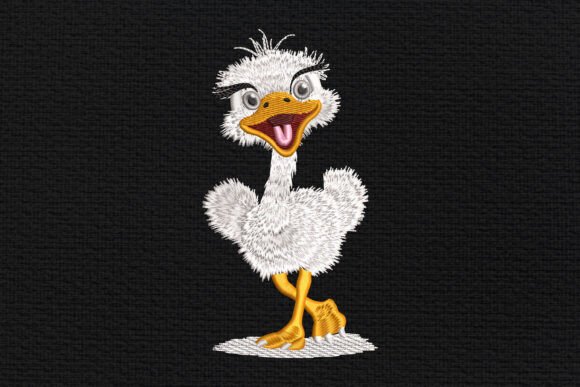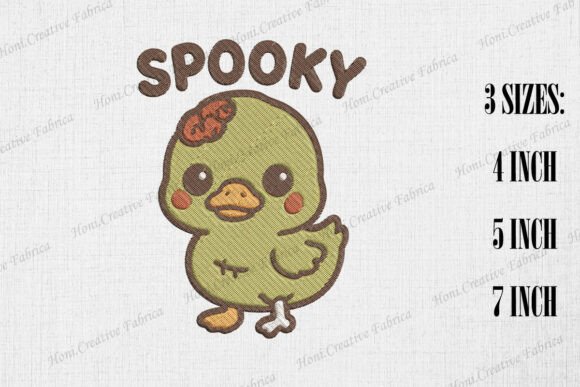
Spooky Halloween Cute Zombie Duck
When I first opened the file for Spooky Halloween Cute Zombie Duck, my initial reaction wasn't about the technical specs, but rather the vibe. It strikes a very specific chord in the current market: it is undeniably spooky, yet entirely approachable. As someone who has reviewed countless digital assets and tested them on everything from high-end boutique apparel to quick craft fair giveaways, I can tell you that finding a design that balances "creepy" with "cute" without looking like a failed attempt at either is rare. This design feels like it was made for the modern crafter who wants to add a touch of whimsical horror to their collection without scaring off potential buyers.
The visual personality of this piece suggests it belongs in the realm of seasonal home decor and playful custom apparel. The layout seems designed to capture attention immediately, which is crucial for Etsy sellers and small business owners trying to stand out in a crowded marketplace. Unlike some designs that rely heavily on intricate, tiny details that might get lost in the stitching process, this one appears to have a strong silhouette. That is a good sign for real-world application, especially when dealing with the varied fabric textures found in home goods like kitchen towels or tote bags.
Real-World Application: From Screen to Stitch
Let's imagine a practical scenario. You are preparing for the autumn rush and need to create a cohesive line of holiday gifts for your shop. You decide to focus on a collection of baby items and family matching sets. You pull up Spooky Halloween Cute Zombie Duck as the centerpiece for a series of onesies and a large embroidered patch intended for denim jackets. In theory, the concept is sound; zombies are popular, ducks are universally adored, and combining them creates a memorable brand asset.
However, the devil is often in the execution. When I evaluate how this design translates from a digital preview to a physical finished product, I look at how the stitches interact with the fabric. For a baby onesie, the density of the fill stitch is critical. If the area around the duck's eyes or its little zombie accessories is too dense, the fabric will pucker, making the garment uncomfortable for an infant. Conversely, if the density is too low, the thread might not cover the background color effectively, leading to a muddy appearance where the fabric shows through. This design seems to offer a balanced approach, likely utilizing a mix of satin stitches for outlines and fill stitches for the body, which usually results in a clean, professional look suitable for personalized gift markets.
I also considered using this design on a canvas tote bag for a local craft fair. Tote bags are a staple for Etsy sellers and small shop products because they are versatile and easy to ship. The durability of the embroidery here matters. A design with long running stitches or loose threads might snag easily on the rough weave of canvas. If Spooky Halloween Cute Zombie Duck utilizes shorter, tighter stitches for its decorative elements, it will hold up well against daily wear and tear. This reliability directly impacts customer trust; a buyer who receives a tote with a frayed or distorted logo is unlikely to return, whereas a crisp, durable design encourages repeat business.
Navigating Fabric Challenges and Limitations
While this design has great potential, there are specific situations where caution is required. Not every surface is created equal, and a design that looks perfect on a mockup can fail miserably on a textured material. If you plan to use this on a sweatshirt or a fleece hoodie, the stretchy nature of the fabric demands a robust stabilizer strategy. Without proper backing, the tension of the machine pulling the fabric could distort the shape of the duck, turning a cute character into a warped blob.
Similarly, attempting to embroider this on dark fabrics requires careful consideration of thread colors. If the design relies on light-colored highlights to define the "zombie" features, you must ensure the underlay and top threads provide enough coverage. On thin fabrics, such as certain types of tea towels or lightweight linens, the weight of the embroidery might cause the material to gather or tear over time. In these cases, testing on scrap fabric is not just a suggestion; it is a necessity before committing to a client order.
Curved surfaces, like baseball caps, present another challenge. While many designs work well on flat panels, transferring a complex image onto the curved front of a hat requires precise hoop placement. If the design includes detailed lettering or small text elements, these are the first things to suffer distortion on a cap. Always inspect the small details of Spooky Halloween Cute Zombie Duck to see if they are legible when viewed from a distance. If the design is primarily graphic with minimal text, it will be much safer for hat embroidery.
Strategic Insights for Designers and Sellers
For those of you building a craft business or selling digital embroidery files, understanding the market fit of this design is key. The "cute zombie" aesthetic appeals to a broad demographic, ranging from children's parties to adult novelty items. This versatility allows you to create a wide range of design assets. You could feature it on a pillow cover for a nursery, a kitchen towel for a hostess gift, or even a custom apron for a chef who loves quirky Halloween themes.
When creating printable mockups to showcase this design online, focus on lighting and texture. A flat image on a white background does not convey the depth of a satin stitch or the softness of a fill stitch. Try to show the design on different backgrounds—perhaps a bright orange fabric to emphasize the Halloween theme, or a neutral grey to highlight the contrast. This helps potential buyers visualize the final result and reduces the likelihood of returns due to mismatched expectations.
It is also vital to review the licensing terms before listing any finished items for sale. Some machine embroidery designs are intended for personal use only, while others allow commercial production. Confirming these details protects your reputation as a professional embroidery designer and ensures you are operating within legal boundaries. If you are reselling the digital file itself, ensure you have the right to do so, as unauthorized distribution can lead to serious issues.
Finally, always test your thread color combinations. The default colors provided in the software might not match the aesthetic you are aiming for. Swapping a standard green for a pastel mint or a deep forest green can completely change the mood of the piece. Experimentation is part of the creative process, and taking the time to refine the thread colors can elevate a simple design into a premium handmade product.
In conclusion, Spooky Halloween Cute Zombie Duck offers a compelling option for anyone looking to expand their seasonal offerings. Its blend of humor and spookiness makes it a strong candidate for various projects, from baby embroidery to commercial embroidery for boutiques. By paying attention to fabric choice, stabilization, and presentation, you can turn this digital file into a tangible success story. Whether you are a hobbyist making a gift for a neighbor or a dedicated creative entrepreneur scaling your shop, this design provides a solid foundation for your next embroidery project. Just remember to test thoroughly, respect the material limits, and let your creativity guide the final stitch.