Happy Dancing Duck Review for Real Projects
As an embroidery designer who spends countless hours testing digital files before putting them on a customer's garment, I know that the difference between a good design and a great one often comes down to how it translates from screen to fabric. Recently, I came across Happy Dancing Duck on Creative Fabrica and decided to put it through its paces. My goal was not just to admire the image, but to evaluate whether this machine embroidery design could stand up to the rigors of commercial production, custom apparel, and handmade gifts.
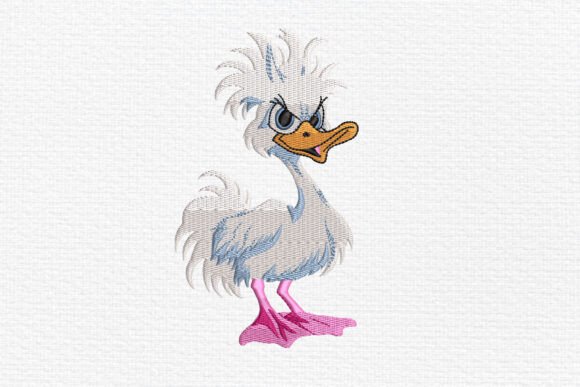
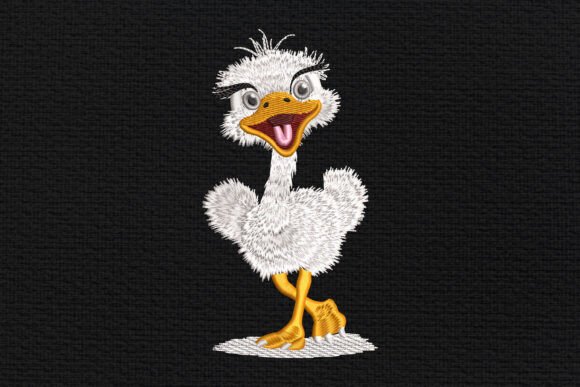
The first thing that strikes you about Happy Dancing Duck is its immediate visual mood. In a sea of serious corporate logos or overly complex artistic patterns, this embroidery file brings a burst of joy. It feels like a natural fit for projects that need a touch of whimsy without sacrificing quality. Whether you are creating items for an Etsy shop, preparing products for a craft fair, or designing personalized gifts, the charm of this piece is undeniable. It belongs in the Birds category, yet it transcends simple animal motifs by offering a playful personality that resonates with buyers looking for something unique.
Visual Appeal and Design Personality
When evaluating any digital embroidery file, the initial assessment is always about the layout and the flow of the stitches. The Happy Dancing Duck design appears to be built with a clear sense of movement. This is crucial because static designs can sometimes look stiff when stitched out. The character seems ready to leap off the fabric, making it an excellent candidate for tote bag design concepts or as a focal point on a sweatshirt embroidery project.
The design likely utilizes a mix of stitch types to create texture. A well-executed satins stitch would define the outlines and give the duck a smooth, polished look, while fill stitch areas would add depth to the body. If there are small details like eyes or feathers, they might rely on running stitch or tiny satin columns. For a professional finish, these elements must balance each other so the final product looks cohesive rather than cluttered. This versatility makes it suitable for home decor, such as pillow covers, where a pop of color and fun is desired.
Real-World Application and Versatility
I approached this review imagining real-world scenarios where a seller or crafter needs a reliable asset. The description suggests this design is perfect for t-shirts, towels, and home decor, but let's dig deeper into specific use cases.
- Custom Apparel: For custom apparel like baby onesies or children's t-shirts, the cheerful nature of Happy Dancing Duck is a selling point. Parents love items that bring a smile, and a well-stitched duck can elevate a basic garment into a premium handmade product.
- Home Decor and Kitchen Textiles: Kitchen towels and aprons are high-demand items. A birds embroidery theme fits perfectly in a farmhouse or modern kitchen setting. The design's charm adds a personal touch that mass-produced goods lack.
- Accessories and Patches: Many designers use similar motifs for embroidered patch creation. If the file includes a clean border, it could easily be cut out and applied to denim jackets or bags. However, one must verify the file structure to ensure it allows for easy trimming if intended as a standalone patch.
- Caps and Curved Surfaces: Embroidering on a cap requires precision. While this design looks great flat, applying it to a curved surface like a hat brim or front panel requires careful hoop placement. The height of the design relative to the curvature will determine if it sits flush or puckers.
This Creative Fabrica embroidery asset could also serve as a base for creating printable mockups. Sellers often need to visualize their products before manufacturing. A high-quality rendering of Happy Dancing Duck on various backgrounds can help attract customers browsing online marketplaces.
Technical Considerations for Professional Results
While the concept is delightful, the execution depends heavily on technical decisions made during the digitizing process and the stitching phase. Before committing to a large batch of orders, I recommend paying close attention to several practical factors.
Hoop Size and Stitch Density: One of the most common pitfalls in machine embroidery is attempting to stitch a design that is too large for the available hoop size, leading to registration issues. Conversely, a design that is too small may lose detail. You must confirm the recommended hoop size for Happy Dancing Duck to ensure your machine can handle it comfortably. Additionally, check the stitch density. High-density fill stitches can make fabric stiff and difficult to wear, especially on soft items like baby blankets or lightweight t-shirts. If the design is dense, consider using a softer stabilizer to support the fabric without compromising drape.
Fabric Compatibility: Not all fabrics play nice with all designs. Stretchy materials like jersey require a strong stabilizer to prevent distortion. Dark fabrics present a challenge regarding thread contrast; if the design relies on light colors, you may need a underlay layer or a specific thread choice to ensure visibility. Always test on scrap fabric that matches your final material to see how the thread colors interact with the weave.
Small Details and Washing: If the design features tiny lettering or intricate lines, inspect the finished product closely after washing. Frequent laundering can cause fine details to blur or threads to pull if the stitch density is not optimized. For items that will be washed often, like kitchen towels or baby clothes, ensuring the stitches are secure is vital for maintaining the integrity of the finished product.
Impact on Brand Value and Customer Trust
In the world of handmade goods and commercial embroidery, quality speaks volumes. A poorly executed design can undermine years of building a brand. Using a well-balanced file like Happy Dancing Duck can significantly enhance your brand consistency. When customers receive a gift or purchase a personalized gift that looks professionally done, they are more likely to trust your shop and return for future purchases.
The visual appeal of the design also plays a role in photography. A cute, well-stitched duck stands out in product photos, increasing engagement on social media and driving traffic to your listings. It transforms a simple item into a story—a moment of happiness captured in thread. This emotional connection is what drives sales in the handmade product sector.
Final Thoughts on Implementation
Before downloading and using Happy Dancing Duck for your next project, take a moment to review the specific file details on the Creative Fabrica product page. Verify the file formats, licensing terms for commercial use, and any specific instructions provided by the creator. Ensure you have the correct stabilizer and thread colors ready to match the design's intent.
Ultimately, this design offers a wonderful opportunity to add a touch of fun to your portfolio. Whether you are creating a seasonal collection, a nursery decor line, or simply looking to expand your design assets, Happy Dancing Duck has the potential to be a standout piece. By testing thoroughly and respecting the technical nuances of embroidery, you can turn this digital file into a treasured physical object that brings joy to its owner.