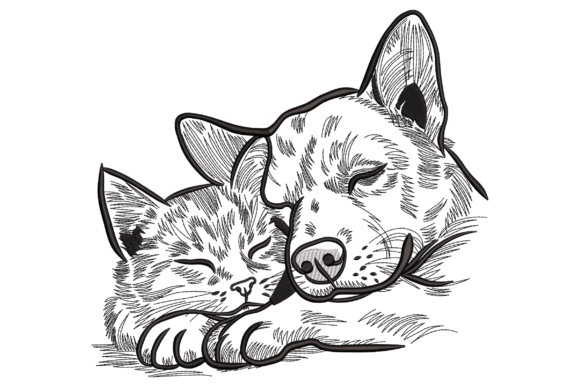
Sleeping Cat and Dog: A Designer's Review for Craft Fairs
As an experienced embroidery designer who has spent countless weekends setting up booths at local craft fairs and managing a busy handmade shop, I know that the difference between a product that sits on a table and one that sells out by noon often comes down to one thing: the design. When I first encountered Sleeping Cat and Dog, my immediate thought was not about the stitch count or the file format, but rather how this piece would perform in the real world of a bustling market. This review is based on the practical experience of turning digital assets into tangible, sellable goods that customers want to take home.
The First Impression: Charm and Quirky Flair
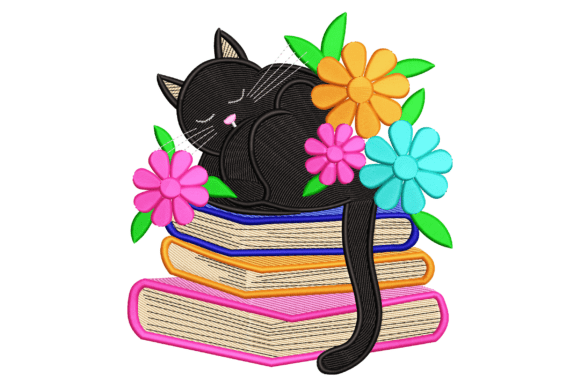
The description promises a "fun and quirky flair," and from a visual standpoint, Sleeping Cat and Dog delivers exactly that. In a sea of rigid geometric patterns and overly formal farmhouse aesthetics, this design feels like a breath of fresh air. It strikes a perfect balance between cute and modern, making it versatile enough for a wide range of audiences. The title suggests a soft, cozy mood, which translates well into a design that feels approachable and warm. For a booth display, this is crucial; you want your products to invite touch and conversation. This design does not feel aggressive or loud; instead, it offers a gentle invitation to imagine these pets cuddling up on a favorite cushion. Whether you lean into the rustic vibe or keep it modern minimal, the core appeal of this motif lies in its ability to evoke a sense of comfort and companionship.
Product Potential: Where It Shines
When evaluating Sleeping Cat and Dog for specific crafter fair products, certain items stand out as natural homes for this artwork. The most obvious contender is the tote bag design. A canvas tote featuring this design becomes an instant statement piece. Customers love bags that reflect their personality, and a sleeping pet motif appeals to animal lovers who want something unique yet understated. The design works beautifully as a central focal point on the front of a tote, drawing the eye immediately.
For kitchen-focused sellers, tea towel embroidery is another standout application. Embellishing standard white or cream towels with this design adds a layer of charm that elevates them from simple linens to giftable treasures. Imagine a set of matching apron and towel designs where Sleeping Cat and Dog serves as the signature element. It transforms a basic apron embroidery project into a cohesive collection that buyers can purchase as a gift set. The versatility extends to embroidered patches as well. These are high-margin items for small shops, and a cute, compact version of this design can be easily applied to denim jackets, beanies, or backpacks.
I also see great potential in pillow covers and market bags. For pillow covers, the design can serve as a decorative accent that ties a room together, while on a market bag, it reinforces the eco-friendly message with a touch of whimsy. Even digital embroidery files intended for printable mockups will benefit from this strong imagery. When creating listings for Etsy or other platforms, having a clear image of this design on a variety of textures helps buyers visualize the final result. It is a design asset that works across multiple categories, making it a valuable addition to any commercial embroidery catalog.
Production Realities and Selling Strategy
From a production standpoint, the success of Sleeping Cat and Dog depends heavily on execution. One of the key questions for any embroidery file is how it reads at different sizes. If the design features tiny details or intricate stitching, it might lose clarity when shrunk down for a patch or a small pouch. However, if it maintains clean lines and distinct shapes, it will photograph exceptionally well for online listings. High-quality photos are essential for an Etsy seller; they need to show the texture of the stitches and how the thread colors interact with the fabric.
For batch production, repeatability is king. You want a design that looks consistent whether you are running ten units or one hundred. Sleeping Cat and Dog appears to have a balanced composition that should hold up well under pressure. However, before committing to a full run, you must consider the stitch density. Dense areas can sometimes cause puckering on thinner fabrics, so selecting the right stabilizer is non-negotiable. If you are working with textured towels or thick denim, you may need to adjust your tension or use a cut-away stabilizer to ensure the design lays flat and looks professional.
Careful Use Notes and Technical Considerations
While the design is charming, there are technical nuances to watch out for. If the design includes small lettering or very fine lines, be cautious about placing it on curved surfaces like caps. Curved cap surfaces can distort small details, making the text unreadable or the image blurry. Similarly, dark fabrics require careful thread selection. Light-colored threads might get lost against a black background unless you use a heavy underlay or a contrasting color scheme. Always test the thread colors against the actual fabric you plan to use to ensure the contrast pops.
Another critical factor is the hoop size. If the design is larger than your standard hoop, you may need to re-hoop, which increases the risk of misalignment. For a seamless look, especially on items like pillow covers, ensure the design fits within a single hoop or that your machine skills allow for precise multi-hooping. Additionally, check the fabric texture of your base material. Highly textured fabrics can hide the detail of the embroidery, so smoother fabrics like cotton twill or linen are often safer bets for showcasing intricate work.
Designer's Checklist for Success
Before you start mass-producing Sleeping Cat and Dog for your next booth, follow these practical steps to ensure quality. First, always test the design on scrap fabric. This allows you to catch any issues with tension or stability without wasting materials. Second, create at least one real mockup. Seeing the design on a finished product helps you judge its scale and impact better than a digital rendering ever could. Third, inspect the stitch density closely. If the stitches are too tight, the fabric may pucker; if too loose, the design may look sparse. Fourth, confirm your commercial licensing terms. Ensure you have the right to sell finished products made with this machine embroidery design.
Finally, compare various fabric colors to find the best pairing. A classic white or natural canvas often lets the thread colors shine, but a bold navy or charcoal can add a modern edge. By paying attention to these details, you ensure that every small shop product leaving your booth represents the highest standard of handmade quality. With the right preparation, Sleeping Cat and Dog has the potential to become a crowd-pleaser that captures the hearts of craft fair attendees and online shoppers alike.