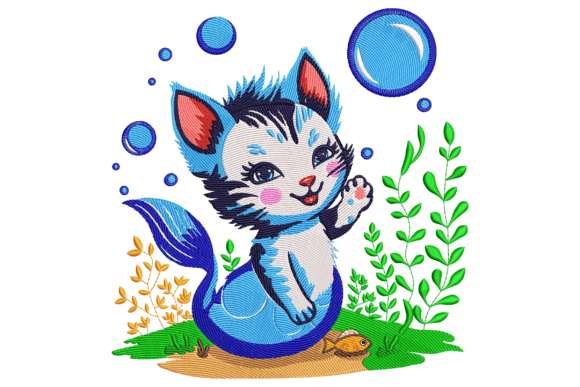
Adorable Mer-Kitty Adventure Review
As an experienced embroidery designer who has spent countless weekends prepping booths for craft fairs and managing a busy handmade shop, I know that the difference between a design that gathers dust and one that sells out in minutes often comes down to practical application. Today, I am reviewing the Adorable Mer-Kitty Adventure with a critical eye, not just as a digital asset, but as a potential bestseller for my upcoming weekend market. When you are standing behind a table of handmade goods, your customers are scanning quickly. They need something that catches the eye, feels high-quality, and offers immediate charm.
The description promises a "touch of charm" and a "fun and quirky accent," which immediately signals that this is not a formal, minimalist piece intended for corporate wear. Instead, it screams playful creativity. For a machine embroidery design, this vibe is crucial because it suggests versatility across various product types. Whether you are an Etsy seller looking to expand your catalog or a boutique maker preparing a seasonal collection, understanding the visual weight of a design is the first step to success.
First Impressions and Visual Appeal
When I first loaded the file into my digitizing software, the Adorable Mer-Kitty Adventure felt distinctively modern yet whimsical. It does not lean heavily into rustic farmhouse aesthetics; instead, it lands firmly in the category of cute and fun. This distinction matters immensely when curating a booth display. A design that is too delicate might get lost on a textured tea towel, while one that is too bold can overwhelm a small cap.
This particular design strikes a balance that makes it ideal for a wide range of handmade products. The concept of a mer-kitty implies movement and personality, which translates well into thread work. If the stitch density is handled correctly, it will photograph beautifully for online listings. In the world of digital marketing, a photo that captures the texture and depth of the embroidery can be the deciding factor for a buyer clicking through their feed. I envision this design having strong appeal to buyers who appreciate unique character designs, making it a perfect fit for embroidery business owners targeting a younger or family-oriented demographic.
Product Performance Across Categories
To determine if Adorable Mer-Kitty Adventure is a viable addition to a commercial line, I simulated how it would look on several key items found in a typical craft fair inventory.
- Tote Bags: This is arguably the strongest candidate for this design. A tote bag offers a large, flat canvas where the design can serve as a focal point. The "quirky accent" mentioned in the description works perfectly here, turning a plain canvas bag into a statement piece. Customers love bags they can carry to the market, and a unique cat design adds instant value.
- Apron Embroidery: Kitchens are central to home decor, and aprons are high-traffic items at craft fairs. Placing this design on the bib of an apron creates a delightful surprise element. It transforms a functional tool into a conversation starter, which is essential for engaging booth visitors.
- Tea Towel Embroidery: While popular, towels present a challenge due to their looped texture. The design needs to be robust enough to stand up against the fabric's surface. If the stitch density is appropriate, it will look soft and inviting on a kitchen towel, appealing to those looking for giftable home accents.
- Embroidered Patches and Caps: For smaller items like caps or sew-on patches, scale becomes critical. If the design includes tiny details or small lettering, it might lose clarity when reduced. However, if the lines are clean and the shapes are bold, it could make a fantastic patch for a denim jacket or a cute detail on a baseball cap.
- Fabric Pouches and Pillow Covers: These items allow for a more decorative approach. The design can act as a subtle nod on a small pouch or a centerpiece on a pillow cover. This versatility allows sellers to create a cohesive collection without repeating the exact same item type.
Production Practicality and Selling Strategy
For any commercial embroidery venture, efficiency is money. The Adorable Mer-Kitty Adventure appears to have the potential for batch production, provided the setup is correct. Designs that are easy to understand at a glance tend to produce fewer errors during the stitching process. If the design requires constant re-hooping or complex color changes that slow down production, it may eat into profit margins.
From a selling perspective, the design's ability to photograph well is paramount. Online shoppers cannot touch the fabric, so the image must convey the quality of the stitches. A design with good contrast and clear definition will render better in a printable mockup, increasing click-through rates on platforms like Etsy. Furthermore, a design that feels repeatable encourages customers to buy multiple variations, such as a set of matching towels or a gift pack containing a tote and a mug.
However, we must address the realities of production. Dense stitch areas can sometimes cause puckering if the stabilizer is not chosen correctly. Thick fabrics, like heavy denim or plush terry cloth, require specific tension adjustments. If the design features tiny details, it is vital to test it on scrap fabric first to ensure the threads do not break or clump together. Similarly, curved surfaces like caps demand careful attention to the hoop size and the curvature of the design itself to avoid distortion.
Essential Designer Notes for Success
Before rushing into mass production for a craft fair, there are several technical checks every designer should perform. First, always test the design on the actual fabric you intend to sell. Fabric texture varies wildly; what looks great on smooth cotton might disappear on a nubby linen. Second, review your thread colors carefully. High contrast between the thread and the fabric ensures the design pops, especially under the bright lights of a convention center or the glare of a camera flash.
Inspect the stitch density closely. If the area is too dense, the fabric may become stiff and uncomfortable, reducing the perceived value of the finished product. Conversely, if it is too sparse, it may look unfinished. Confirming the stabilizer choice is also non-negotiable; using the wrong backing can ruin even the most beautiful digitization. Additionally, create at least one real-world mockup rather than relying solely on digital renders. Seeing the physical object helps identify issues that pixels cannot show.
Finally, verify the commercial licensing terms before listing the item for sale. Some digital embroidery files come with restrictions on the number of units you can produce. Ensuring you have the proper rights protects your small shop product from legal complications later on.
In conclusion, Adorable Mer-Kitty Adventure holds significant promise for craft fair vendors and online sellers. Its charming aesthetic fits perfectly into the current trend of unique, character-driven home goods. By paying close attention to fabric selection, stabilizer usage, and production scaling, you can turn this design into a standout item that drives sales and builds brand loyalty. Whether you are creating a single gift item or a full line of merchandise, this design offers the flexibility and visual appeal needed to succeed in a competitive handmade market.