Whatever Life Throws at You: A Designer's Review
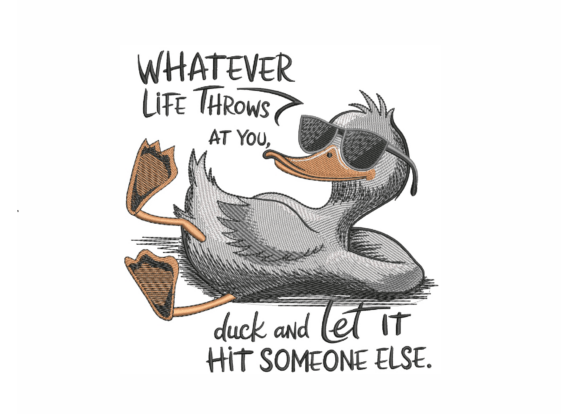
As an experienced embroidery designer preparing for a weekend craft fair, I spend hours evaluating new designs before they ever hit the table. The difference between a design that gathers dust and one that sells out often comes down to personality, production viability, and how well it translates from a digital file to a tangible handmade product. Today, I am reviewing the Whatever Life Throws at You design. This piece features a laid-back duck wearing shades with a distinct attitude. It falls under the Animal Quotes category, but in my experience, it transcends simple categorization to become a statement piece.
The first impression of Whatever Life Throws at You is immediate and bold. It feels modern, cheeky, and undeniably funny. While many market trends lean toward rustic farmhouse or soft pastels, this design offers a punch of sarcasm that stands out in a sea of traditional motifs. The combination of the witty saying and the cool duck creates a vibe that is both approachable and premium. For a booth display, this kind of humor cuts through the noise, grabbing attention from passersby who are looking for something unique rather than generic decor.
Where This Design Shines on the Market Floor
When I visualize setting up my booth with various samples, Whatever Life Throws at You proves incredibly versatile. Its primary strength lies in its ability to work as either a small accent or a large focal point depending on the canvas. Let us look at where this machine embroidery design truly excels.
Tote Bags and Market Bags
A tote bag is the bread and butter of any Etsy seller or craft fair vendor. The relaxed nature of the duck fits perfectly on a canvas tote. When placed on the side panel, it acts as a subtle nod to the owner's sense of humor. If centered on a larger bag, it becomes the star of the show. Customers love items that reflect their personality, and this design allows them to carry a message of resilience wrapped in a cute animal. The contrast of the duck against natural canvas colors makes the thread colors pop, ensuring high visual appeal.
Aprons and Tea Towels
Kitchen items are always top sellers at handmade markets. An apron embroidered with Whatever Life Throws at You adds a layer of charm to cooking or gardening. The text is long enough to be readable but short enough to fit neatly on the bib of an apron. Similarly, on a tea towel, the design serves as a perfect conversation starter during a demonstration. The durability of the embroidery ensures that these finished products can withstand washing, which is a crucial selling point for buyers investing in quality goods.
Caps and Embroidered Patches
For smaller inventory items, this design works wonders on caps. The curved surface of a hat requires careful placement, but the rounded shape of the duck complements the brim nicely. Additionally, creating an embroidered patch version of this design is a smart strategy. Patches allow customers to apply the design to jackets, beanies, or bags themselves, expanding the utility of the original digital embroidery file.
Production Realities and Selling Strategy
Turning a design into a profitable line requires more than just hitting the "stitch" button. As a professional, I must evaluate the practical aspects of producing Whatever Life Throws at You in bulk for a commercial embroidery business.
Visual Clarity and Photographs
In the digital age, your online listing is just as important as your physical booth. This design photographs exceptionally well. The bold lines of the sunglasses and the expressive posture of the duck translate clearly in photos. Whether you are using a printable mockup for your website or taking a real photo of a finished product, the details remain crisp. However, when creating listings, ensure you capture the texture of the fabric to show potential buyers the quality of the stitch work.
Batch Production and Consistency
One of the biggest challenges for small shop owners is maintaining consistency across dozens of units. The density of stitches in this design appears manageable, which is vital for efficient production. If the stitch density is too high, the fabric may pucker, especially on lighter materials like linen or thin cotton. If it is too low, the image may look sparse. Assuming the file is optimized correctly, this design should repeat beautifully, allowing you to produce batches of tote bags or aprons without constant adjustments.
Crucial Considerations for Success
Before committing to a full run of products, there are specific technical hurdles you must address to ensure the final output meets professional standards.
Fabric Texture and Color Contrast
The success of Whatever Life Throws at You relies heavily on thread contrast. Dark fabrics require light threads, and vice versa. If you choose a dark denim tote, ensure the white or yellow threads used for the duck stand out sharply. Furthermore, textured towels can sometimes hide fine details. Test your design on scrap fabric that matches your intended product material. This step helps you see if the design assets hold up against the weave of the cloth.
Hoop Size and Stabilizer Selection
You cannot assume one hoop size fits all applications. A cap requires a different setup than a pillow cover. Always confirm the recommended hoop size for the design to avoid cropping out parts of the duck or the text. Equally important is the stabilizer. Heavy-duty projects like aprons need firm backing to prevent shifting, while delicate items might require a softer option. Using the wrong stabilizer can ruin the drape of the fabric and make the item feel stiff.
Licensing and Commercial Use
If you plan to sell these items, you must verify the commercial licensing terms associated with the embroidery file. Some designers restrict the number of units you can sell, while others require attribution. Always check these details before printing tags or listing items on Etsy. Ignoring licensing can lead to legal issues and damage your reputation as a creative entrepreneur.
Final Verdict on Market Potential
Whatever Life Throws at You is a standout addition to any collection of craft fair products. It bridges the gap between cute and cool, appealing to a wide demographic of buyers who appreciate humor and style. The design has the potential to elevate standard items like tote bags and kitchen towels into premium gift-worthy pieces.
By paying attention to fabric choices, testing stitch density, and presenting the design professionally, you can turn this single file into a best-selling line. Whether you are a seasoned pro or a beginner digital seller, this design offers a solid foundation for building a brand that resonates with customers looking for something authentic and fun. Remember to create at least one real mockup to test the look and feel before mass production. With the right execution, this sassy duck could become the centerpiece of your next successful booth display.