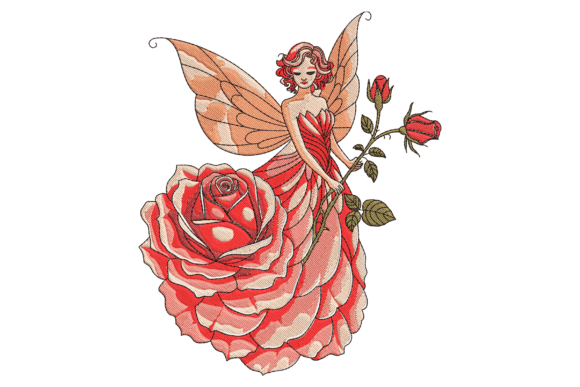
Rose Fairy: A Boutique Sweatshirt Design Review
As an experienced embroidery designer, I spend a significant portion of my week evaluating digital assets before they ever touch a garment. The difference between a design that looks like a cheap sticker and one that elevates a brand often comes down to texture, placement, and the specific personality of the stitch work. Today, I am reviewing Rose Fairy, a product listed under the Fairy Tales category, specifically with the intention of using it for a premium sweatshirt collection for a small boutique brand. This review moves beyond the basic product description to explore how this machine embroidery design performs in a real-world commercial setting.
The First Impression: Mood and Visual Personality
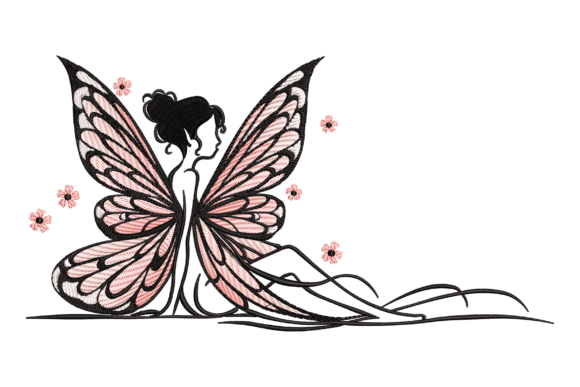
The initial assessment of Rose Fairy centers on its potential to add a "fun and quirky flair" as described in the product listing. When I first opened the file, the layout suggested a whimsical, feminine aesthetic that aligns perfectly with current trends in cozy seasonal apparel. Unlike rigid corporate logos, this design feels organic and handcrafted. It possesses a decorative quality that suggests it was meant to be touched and felt, not just seen.
In terms of mood, Rose Fairy strikes a balance between rustic charm and modern playfulness. It is not overly minimal, which allows it to stand out against the heavy texture of sweatshirt fleece. However, it avoids being cluttered, ensuring that the design remains legible even from a distance. For a boutique brand looking to establish a unique identity, this piece offers a strong visual hook that screams "handmade product" without sacrificing professional polish.
Application on Premium Sweatshirts and Hoodies
The primary use case for this project involves applying Rose Fairy to neutral sweatshirts, dark fabric, and pastel colors. My experience suggests that the versatility of this design lies in its adaptability to different fabric textures. On a heather grey or oatmeal-colored oversized hoodie, the design would likely pop with a soft, vintage appeal. The stitches would catch the light differently than on smooth cotton, adding depth to the fairy tale imagery.
When considering dark fabrics, such as navy or charcoal, the thread color contrast becomes critical. If the design includes lighter threads, they will create a striking, high-contrast look that feels bold and graphic. Conversely, if the palette is monochromatic, it offers a subtle, sophisticated branding option. For pastel collections, Rose Fairy acts as a focal point, enhancing the dreamy atmosphere of the clothing line. Whether placed on the chest for a classic hoodie design or as a larger back design, the composition holds up well against the bulkier material of winter wear.
Placement Strategies for Small Brands
- Chest Placement: Ideal for lifestyle product photography where the wearer's face is the focus. A smaller iteration of Rose Fairy here adds a touch of quirkiness without overwhelming the silhouette.
- Sleeve Accents: Placing a miniature version on the cuff creates a delightful surprise element, perfect for Etsy sellers who want to delight their customers upon unboxing.
- Back Designs: For limited drops, a large-scale application on the back of an oversized sweatshirt can serve as a statement piece, turning the garment into wearable art.
Technical Considerations for Commercial Embroidery
While the artistic vision is clear, the success of Rose Fairy depends heavily on technical execution. One of the first things I evaluate is the stitch density. For sweatshirt embroidery, the fabric requires a stabilizer that can support the weight of the stitches without puckering. If the design is too dense, it may feel stiff and uncomfortable; if it is too sparse, it might lack durability after washing.
Designers must also consider the hoop size limitations. While Rose Fairy appears suitable for standard 4x4 or 5x7 hoops, checking the exact dimensions is essential before production. Furthermore, the readability of the design at small sizes is crucial. If you plan to use this for custom apparel branding on smaller items like beanies or tote bags, ensure the details do not blur together when scaled down.
Regarding materials, the choice of thread colors can make or break the final look. High-quality polyester threads are recommended to withstand the friction of daily wear and the rigors of washing. The design should feel strong enough for commercial use, maintaining its shape and color vibrancy over time. Always test a sample on your specific fabric blend before committing to a full run.
Impact on Brand Identity and Customer Engagement
For digital sellers and creative entrepreneurs, every element of the finished product contributes to perceived value. A well-executed machine embroidery design like Rose Fairy signals quality and attention to detail. It tells the customer that this is not mass-produced fast fashion but a thoughtful, handmade item.
This level of craftsmanship builds buyer trust and reinforces brand identity. When a customer sees a cohesive theme across a collection—where Rose Fairy ties into other Fairy Tales inspired designs—they are more likely to engage with the brand and return for future purchases. In the competitive landscape of online shops, these design assets become a key differentiator.
Additionally, the aesthetic of Rose Fairy lends itself beautifully to printable mockups and marketing materials. The playful yet elegant nature of the design translates well to social media posts, helping to drive engagement and sales for small shop products.
Final Thoughts on Production Readiness
Beyond the artistic evaluation, practical concerns remain paramount. Before integrating Rose Fairy into your production pipeline, you must verify the specific file format, hoop size requirements, and license terms provided by the creator. These details are not always included in the general description and are vital for avoiding costly errors.
If you are preparing a limited drop, this design offers a compelling narrative element that resonates with buyers looking for something charming and unique. By carefully selecting your thread colors, choosing the right stabilizer, and planning your placement strategy, Rose Fairy can transform a simple sweatshirt into a signature piece for your boutique brand.
Ultimately, the decision to use this design comes down to whether it fits your specific aesthetic goals. Does it feel premium? Yes. Is it cute and bold? Absolutely. With the right execution, Rose Fairy has the potential to become a standout item in your catalog, driving both sales and brand loyalty among those who appreciate the art of embroidery.