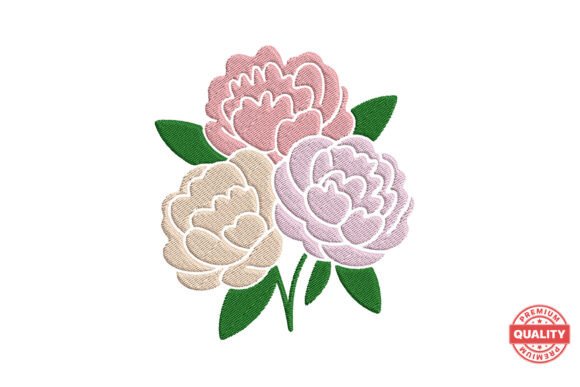
Peony Trio: A Designer's Real-World Review
As someone who has spent years evaluating machine embroidery design assets for both personal hobbies and commercial ventures, I know that the difference between a good product and a great one often lies in the details. Today, I am putting the Peony Trio through its paces to see if it truly delivers on the promise of making projects stand out. This isn't just about looking at a digital preview; it is about understanding how this embroidery file behaves when the needle hits the fabric, especially when you are under pressure to deliver a professional result for a client or a busy Etsy shop.
The First Impression: Mood and Visual Personality
When I first opened the files for Peony Trio, the immediate feeling was one of lush elegance. The name suggests a cluster of blooms, and the layout reflects a natural, organic grouping rather than a rigid geometric pattern. For a designer, this is crucial because it dictates where the design belongs. It screams "soft luxury," making it an ideal candidate for home décor, bridal gifts, or high-end apparel. The detail level appears substantial without being overwhelming, which is a delicate balance to strike in Bouquets categories.
The visual personality of this design feels confident and mature. It does not look like a childish doodle or a generic clip art replacement. Instead, it possesses a sophisticated character that can elevate a simple item into a perceived luxury good. Whether you are creating a custom apron for a boutique owner or a personalized baby blanket, the Peony Trio brings a sense of occasion and thoughtfulness to the final piece. It sets a tone of care and attention to detail before a single stitch is even placed.
Real-World Application: From Digital File to Finished Product
Let me walk you through a specific scenario I often face as a small business owner. Imagine you have a client who wants a set of matching kitchen towels for a housewarming gift. They want something unique, not mass-produced. You decide to use the Peony Trio design. Here is how the process unfolds in reality.
First, you select a high-quality cotton tea towel. The placement is critical. Because the design features a trio of flowers, it works beautifully centered on the towel or offset slightly to the side for a more modern look. As you hooping the fabric, you notice that the design requires a decent amount of space to breathe. If you try to cram it into a tiny hoop, the petals might lose their definition. However, with the correct hoop size, the flow of the stems and the layering of the petals create a stunning effect.
The stitching clarity is where this design shines. When executed correctly, the transition from the outline to the inner fill creates depth. Customers buying handmade products are looking for that tactile quality—the raised texture that invites them to touch the item. The Peony Trio delivers on this front. It transforms a plain kitchen towel into a keepsake that feels expensive. Similarly, if you were applying this to a sweatshirt for a holiday gift, the softness of the peony motif contrasts nicely with the casual nature of the garment, adding a touch of warmth and style.
Where Caution is Key: Fabric and Surface Challenges
While the design is versatile, no embroidery project is without its challenges. There are specific situations where Peony Trio needs careful consideration to avoid disappointing results. One major area to watch is fabric texture. If you are working with heavily textured fabrics like bouclé or thick terry cloth, the fine details of the flower centers might get lost. The needle may struggle to penetrate dense weaves, leading to puckering or skipped stitches.
Another critical factor is the stability of the material. Stretchy fabrics, such as those used for fitted caps or thin jersey t-shirts, require extra vigilance. Without proper stabilizer, the tension of the satin stitches could distort the shape of the peonies, turning elegant curves into wavy lines. In these cases, a cut-away stabilizer is non-negotiable to maintain the structural integrity of the design.
You must also be mindful of dark fabrics. While color choice is up to you, the contrast is vital for visibility. On a black tote bag, using light thread colors will make the Peony Trio pop, but you need to ensure the density of the fill stitches is sufficient to cover the background completely. If the stitch density is too low, the dark fabric will show through, giving the finished product a cheap appearance. Always test your thread choices against the actual fabric before running a full production batch.
Stitch Types and Density Considerations
Understanding the construction of the design helps you anticipate how it will perform. This digital embroidery file likely utilizes a combination of satin stitch for outlines and borders, fill stitch for the body of the petals, and perhaps some running stitch for subtle leaf details. The success of the final image relies heavily on how well these elements interact.
If the stitch density is too high, the fabric might become stiff and difficult to handle, which is particularly problematic for items that need to drape softly, like a pillow cover or a child's dress. Conversely, if the density is too low, the design may look patchy and unfinished. Before committing to a large order, always run a test sample on scrap fabric. Check the back of the work to ensure there is no excessive buildup of thread, which can cause the design to pull or warp over time.
Elevating Your Brand and Customer Trust
In the world of handmade goods and craft business, presentation is everything. A well-executed design like Peony Trio does more than just decorate an item; it builds trust. When a customer receives a personalized gift or a piece of custom apparel that looks professionally stitched, they perceive higher value. They are more likely to leave a five-star review, recommend your shop to friends, and return for future purchases.
This design is particularly effective for branding. Imagine a boutique selling linen napkins with the Peony Trio embroidered in a subtle tonal thread. It becomes a signature element of their brand identity. For an Etsy seller, having a library of high-quality designs allows you to offer diverse collections without compromising on quality. It shows that you care about the aesthetic coherence of your offerings.
However, remember that the design is only half the battle. The other half is your execution. Using the right thread colors and ensuring the fabric texture complements the motif is essential. If you rush the process, even the best design can fail to impress. Take the time to mock up your ideas digitally or physically. See how the design looks in black and white to check the contrast, and visualize how it sits on the product.
Final Thoughts for the Practical Designer
The Peony Trio is a robust addition to any collection of design assets. It offers a blend of classic beauty and modern versatility that fits seamlessly into various niches, from nursery decor to commercial embroidery projects. Its strength lies in its ability to add a touch of sophistication to everyday items, making it a valuable tool for anyone looking to enhance their product line.
Before you start stitching, however, I urge you to verify all technical specifications. Ensure you know the exact file formats required by your machine and confirm the recommended hoop size to avoid cropping issues. Double-check the licensing terms, especially if you plan to sell finished items. Does the license allow for commercial use? Are there restrictions on the number of units you can produce? These are questions that protect your business and ensure long-term peace of mind.
Ultimately, the decision to use Peony Trio comes down to your vision and your commitment to quality. If you approach it with the same care and attention to detail that went into creating the design, you will undoubtedly create finished products that customers love. Whether you are decorating a simple tote bag or creating a premium wedding gift, this design has the potential to be the star of your next collection. Just remember: test, stabilize, and execute with confidence.