Multicolor Roaring Tiger Review for Small Business
As an experienced embroidery designer who has spent years refining digital embroidery files for commercial use, I approach every new asset with a critical eye. When evaluating the Multicolor Roaring Tiger, I am not just looking at a pretty picture; I am assessing its viability as a core component of brand identity for small business owners, Etsy sellers, and apparel decorators. This design falls under the Wild Animals category, but in a professional context, it is much more than a decorative motif. It is a statement piece that can elevate small business merch from generic to memorable.
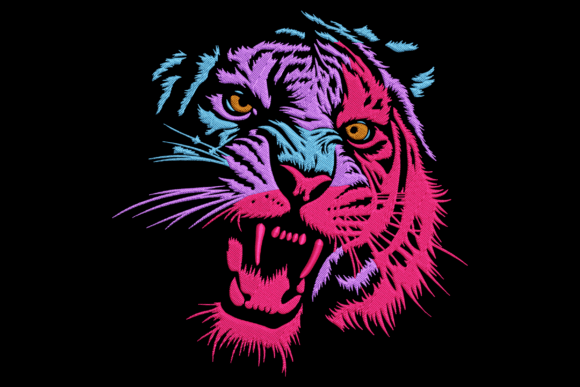
The first impression of Multicolor Roaring Tiger is one of vibrant energy. The description promises a "fun and whimsical touch," which suggests a design that leans towards playful rather than strictly corporate or rigidly formal. For a boutique, a creative studio, or a handmade brand, this personality is a goldmine. It feels friendly and bold, making it an excellent candidate for custom apparel that needs to stand out on social media or at craft fairs. However, the term "roaring" implies a certain level of intensity that must be balanced with the desired tone of your specific brand.
Real-World Application: From Patches to Product Labels
In my experience, the true test of any machine embroidery design is how it performs when applied to actual merchandise. Let us imagine a scenario where a local coffee shop or a pet brand wants to launch a line of branded items. The Multicolor Roaring Tiger could serve as the centerpiece for several high-value assets.
- Embroidered Patches: One of the most popular uses for this type of design is creating sew-on or iron-on patches. If executed correctly, this tiger becomes a collectible item itself, attached to denim jackets, tote bags, or backpacks. The multicolor aspect allows for a rich visual texture that draws the eye immediately.
- Staff Uniforms and Aprons: For bakeries, florists, or cafés, adding a whimsical logo to apron embroidery creates a sense of team spirit and approachability. A chest logo accent featuring this tiger can humanize the staff and make customers feel welcomed by a fun, spirited team.
- Cap Embroidery: A smaller version of the design could work well on the front panel of caps. It offers a unique alternative to standard text-only logos, giving a brand a distinctive silhouette.
- Tote Bag Design: Tote bags are the ultimate walking advertisement. Placing the Multicolor Roaring Tiger on a canvas bag ensures that the brand travels with the customer, turning them into brand ambassadors.
- Product Packaging Accents: Imagine a sticker or a small patch sewn onto a product label or packaging box. This small detail adds a premium feel to the unboxing experience, signaling that the creator cares about the presentation.
Strategic Considerations and Limitations
While the potential is high, a professional review must address where this design requires caution. Not every surface is suitable for a complex, multicolor animal design. As a designer, I advise clients to be mindful of the following constraints before committing to a production run.
Small Patch Sizes and Cap Fronts: If you intend to scale this design down for a tiny patch or a curved cap front, you must evaluate the stitch density carefully. Intricate details in a "roaring" expression can become muddy if the hoop size is too small or the fabric does not support fine stitching. Curved surfaces like caps can distort the geometry of the tiger's face if the digitization does not account for the curvature properly.
Fabric Texture and Dark Uniforms: The description mentions "sprucing up fabrics," but dark uniforms pose a challenge. If the base fabric is black or navy, the thread colors used in the Multicolor Roaring Tiger must have sufficient contrast. Without proper underlay and thread selection, the design may lose definition against dark backgrounds. Additionally, highly textured fabrics like heavy fleece or rough canvas can swallow up fine details, making the design appear less crisp.
Frequent Washing: For items like work shirts or aprons that undergo frequent industrial washing, high stitch density areas (like the eyes or mouth) can be prone to puckering or wear over time. Ensuring the finished product remains durable is essential for maintaining customer trust and professionalism.
Impact on Brand Identity and Customer Engagement
Choosing the right design assets directly influences how a customer perceives your business value. The Multicolor Roaring Tiger communicates confidence, creativity, and a bit of wildness. This can be incredibly effective for brands targeting younger demographics or those wanting to break away from sterile, corporate aesthetics. It signals that the business is lively and engaged.
However, consistency is key. If your brand usually uses minimalist, elegant lines, introducing a bold, colorful tiger might create visual dissonance. The goal is to ensure that the embroidered patch or logo aligns with your overall brand identity. When done right, these designs foster buyer engagement by creating an emotional connection. Customers often remember the story behind a logo, and a roaring tiger tells a story of strength and passion.
Practical Designer Notes for Production Success
Before you upload this file to your embroidery machine for mass production, there are several technical steps you must take. These notes are based on years of troubleshooting failed runs and ensuring high-quality output.
- Test in Black and White First: Before running color threads, hoard a test piece using monochrome thread. This helps you visualize the stitch density and spacing without the distraction of color. It reveals if the design structure holds up.
- Check Small Patch Size: Does the design retain its character when scaled down? A roaring tiger needs space to breathe. If it looks like a blob at 2 inches, it will fail as a small accessory.
- Review Thread Color Contrast: Ensure the chosen thread palette pops against your intended fabric. Use a printable mockup to simulate the final look before spending money on materials.
- Inspect Spacing and Hoop Size: Confirm that the design fits within your available hoop size. Large designs require large hoops, which limits placement options on garments like sleeves or collars.
- Test on Real Fabric: Digital previews do not always match reality. Always test on the actual fabric you plan to sell, including the correct stabilizer choice. Different fabrics require different stabilizers to prevent puckering.
- Create a Mockup for Client Approval: If you are a decorator working for a client, never skip the proofing stage. Show them a realistic rendering of the Multicolor Roaring Tiger on their specific product.
- Confirm Commercial Licensing: Most importantly, verify that your purchase includes a license for commercial embroidery. Using a digital file for resale without proper rights can lead to legal issues.
The Multicolor Roaring Tiger is a versatile tool in the arsenal of any handmade product designer. Whether you are decorating towels, home decor, or creating a full line of branded patches, this design brings a unique flair. By respecting the technical limitations and planning your application strategy, you can turn this whimsical design into a professional asset that drives sales and strengthens your brand presence.
Remember, the difference between a good decoration and a great brand element lies in the execution. Take the time to test, adjust, and perfect your embroidery file usage. When you get it right, the result is a tangible, high-quality product that customers will cherish and display with pride.