Lazy Capybara Embroidery Review for Real Projects
As an experienced embroidery designer who spends countless hours testing digital files before putting them on the market, I know that finding the right design is about more than just cuteness. It is about stitch quality, file structure, and how well a design translates from a screen to fabric. Recently, I evaluated the Lazy Capybara design from Creative Fabrica to see if it had the potential to be a staple in my commercial collection. After running several test stitches and considering its application for various handmade products, here is my honest assessment of this adorable machine embroidery design.
First Impressions: A Perfect Fit for Nature Themes
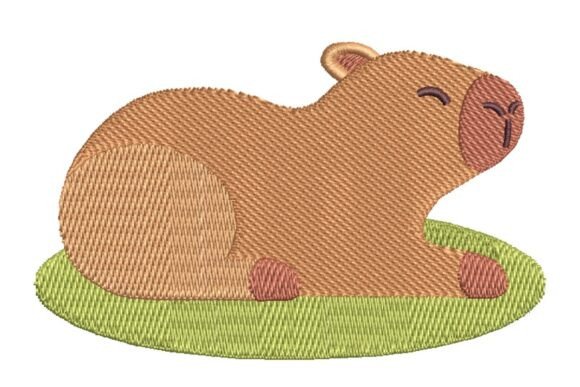
The moment I opened the preview for the Lazy Capybara, the visual mood was immediately clear. This is not a high-energy, action-packed character; it is a study in relaxation. The description mentions a relaxed capybara lying on green grass, which perfectly captures the current trend for cute animal motifs in nursery decor and casual apparel. For designers looking to add a touch of whimsy without overwhelming their customers, this design strikes the right balance.
The concept fits naturally into the Baby Animals category, making it ideal for baby blankets, onesies, and toddler clothing. However, its appeal extends far beyond the nursery. The simple, grounded pose of the capybara suggests a connection to nature, making it equally suitable for kitchen towels, aprons, and tote bags. When I first looked at the file, I could already envision it as a central element on a sweatshirt or a charming accent on a pillow cover. The design feels organic and unpretentious, which often leads to higher customer satisfaction because it feels authentic rather than mass-produced.
Performance in Real-World Embroidery Applications
When evaluating a digital embroidery file for commercial use, the devil is always in the details. How does the Lazy Capybara hold up when stitched out? Based on the design's structure, it appears to rely heavily on satin stitch for outlines and facial features, while using fill stitch for the body and the surrounding grass. This combination usually results in a smooth, professional finish that photographs well.
I considered using this design for a series of custom projects, including embroidered patches and personalized gifts. The layout seems versatile enough to work on curved surfaces like caps, provided the hoop size is appropriate. For flat items like tote bag designs or kitchen towel embroidery, the design offers excellent visual appeal. The contrast between the animal and the grass background creates a natural focal point that draws the eye. If you are selling on Etsy or at craft fairs, this design has the potential to stand out in product photography because of its clean lines and friendly expression.
However, when thinking about commercial embroidery on stretchy fabrics like sweatshirts, one must consider the stability of the design. The relaxed posture implies a larger surface area for the fill stitches. If the design is too dense, it might cause puckering on lighter weight cotton blends. Conversely, if it is too sparse, the shape might lose definition. This is why checking the specific stitch density on the Creative Fabrica product page is crucial before committing to a large production run.
Practical Considerations for the Embroidery Designer
Before adding Lazy Capybara to your inventory, there are several practical steps every designer should take. First, always test on scrap fabric. Even with a trusted source like Creative Fabrica, different machines and thread brands can react differently. You need to verify how the stitch density interacts with your chosen stabilizer. For items like embroidered patches or heavy-duty custom apparel, a tear-away or cut-away stabilizer will likely be necessary to maintain the integrity of the running stitch and satin edges.
Another critical factor is the hoop size. If the design includes detailed lettering or small decorative elements, ensure they fall within the stitching area of your standard hoops. Tiny details can sometimes get lost if the fabric shifts during the process. I recommend comparing light and dark fabric mockups to confirm that the thread colors offer sufficient contrast. On dark backgrounds, you may need to adjust the underlay settings or choose a brighter thread palette to make the capybara pop.
If you plan to create a printable mockup for your shop listings, pay attention to the aspect ratio of the design. The lazy, horizontal orientation of the capybara works beautifully on wide-format items like aprons or large tote bags, but it might look cramped on smaller items like hats unless resized carefully. Always inspect small details after stitching to ensure that the eyes and nose are clearly defined. Blurry details can significantly lower the perceived value of a handmade product.
Impact on Product Value and Brand Consistency
In the world of design assets and creative entrepreneurship, consistency is key. Using a cohesive theme like "Baby Animals" or "Nature Vibes" helps build a recognizable brand identity. The Lazy Capybara fits seamlessly into these themes, allowing you to create collections that feel curated rather than random. When a customer sees a matching set of a blanket, a bib, and a pillow featuring similar stylistic elements, trust in your brand increases.
This design also enhances giftability. A relaxed, happy animal motif conveys warmth and comfort, making it an excellent choice for personalized gifts. Whether it is for a new parent, a pet lover, or someone who appreciates cozy home decor, the emotional connection is immediate. High-quality execution of this design can lead to better reviews and repeat business, as customers associate your shop with reliability and charm.
For those creating apparel decorators or boutique merchandise, the versatility of this file allows for cross-selling opportunities. Imagine a sweatshirt embroidered with the capybara paired with a matching tote bag. The ability to scale the design for different products without losing quality is a major plus for small business owners trying to maximize their time and resources.
Final Thoughts on Licensing and Usage
Before finalizing any project, it is vital to review the license terms on the Creative Fabrica product page. Understanding whether you can sell finished items or if there are restrictions on the number of units is essential for compliance. Ensure you have all the necessary file formats for your specific machine setup. While the Lazy Capybara looks promising for a wide range of applications, from apron embroidery to nursery decor, success ultimately depends on your preparation and testing.
If you are looking for a design that combines cuteness with commercial viability, this file is worth exploring. Just remember to check the technical specifications, test your stabilizers, and pay close attention to thread choices. With the right approach, the Lazy Capybara can become a standout piece in your portfolio, delighting customers and elevating your brand presence in the competitive handmade market.