Kiss the Cook or Do the Dishes: A Designer's Review
As an experienced embroidery designer who spends countless hours testing digital assets for both personal projects and commercial Etsy listings, I approach every new download with a mix of excitement and skepticism. When I stumbled upon Kiss the Cook or Do the Dishes, my initial thought was that it had potential to be a hit in the kitchen decor niche. This isn't just another generic text file; it carries a specific mood that resonates with foodies and home cooks everywhere. In this review, I will walk you through how this machine embroidery design performed when I considered it for real-world applications, from custom aprons to boutique merchandise.
First Impressions: Mood and Design Personality
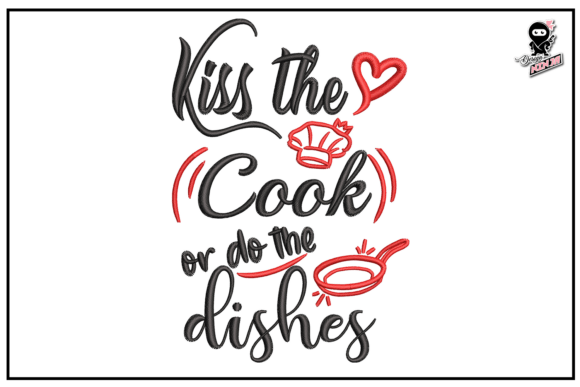
The moment I opened the embroidery file, the personality of Kiss the Cook or Do the Dishes jumped out at me. The visual mood is undeniably sassy yet playful, making it perfect for adding humor to any cooking space. Unlike stiff, corporate-style fonts, this design feels handcrafted and approachable. The lettering has a distinct character that suggests a friendly warning rather than a strict command, which is exactly what makes it so effective for handmade products.
The detail level strikes a balance between readability and artistic flair. It is not overly ornate, which means it will stitch cleanly on various fabrics without losing definition. Whether you are planning to use it as a standalone statement piece or as part of a larger scene, the decorative appeal holds up well. For designers looking for design assets that can elevate a simple tote bag or a basic dish towel, this design offers a professional finish that customers immediately recognize as high-quality.
Real-World Performance on Custom Apparel and Home Goods
I put Kiss the Cook or Do the Dishes through its paces by imagining it on several different products before actually stitching them. The versatility of this digital embroidery file is one of its strongest selling points. It fits naturally into the category of kitchen-themed items, but its application extends far beyond just towels.
- Aprons and Dish Towels: These are the obvious choices, and they work beautifully. The design adds a layer of fun to standard cotton or linen items, making them excellent candidates for personalized gifts or seasonal sales.
- Tote Bags and Sweatshirts: For those creating custom apparel, this design translates well to heavier fabrics like canvas or fleece. It brings a casual, streetwear vibe to sweatshirt embroidery while maintaining a cute aesthetic for tote bags.
- Baby Items and Nursery Decor: Believe it or not, the playful tone works surprisingly well for baby blankets or nursery pillows. Parents often appreciate humor in their decor, and this phrase is lighthearted enough for a child's room without being too mature.
- Caps and Patches: If you specialize in embroidered patches or cap customization, the compact nature of the text allows it to sit perfectly on curved surfaces. However, this requires careful attention to hoop size and stabilization.
For Etsy sellers and small business owners, the ability to create a cohesive collection using this design is invaluable. It allows you to offer a range of products—from kitchen towels to pillow covers—that all share a consistent brand voice. This consistency builds buyer trust and encourages repeat customers who love your specific style of humor.
Practical Considerations for Stitching Success
While the design looks great on paper (or screen), the true test lies in the stitching process. As a professional, I always advise checking specific technical details before committing to a production run. Here is what you need to consider when working with Kiss the Cook or Do the Dishes.
Hoop Size and Stitch Density: Depending on the specific file configuration, the hoop size required may vary. If the design includes dense fill stitches, ensure your machine can handle the tension without puckering the fabric. For smaller projects like caps or patches, you must verify that the stitch density is appropriate for the surface area. Too much density on a small patch can lead to thread breaks or a stiff, uncomfortable texture.
Fabric Selection and Stabilization: The choice of fabric is critical. On stretchy fabrics like jersey or knit sweatshirts, you will need a strong cut-away stabilizer to prevent distortion. For textured fabrics like terry cloth on towels, a tear-away might suffice, but testing on scrap fabric is non-negotiable. Always check the thread color contrast against your chosen material; a light font on a dark apron might require underlay adjustments to pop correctly.
Small Details and Lettering: Pay close attention to the tiny lettering within the design. Sometimes, intricate curves in letters can get lost if the stitch count is too low or if the needle skips during execution. Inspect these small details after stitching to ensure clarity. If the design includes satin stitch elements, verify that the width is suitable for the intended garment thickness.
Impact on Product Value and Brand Perception
In the world of handmade goods, presentation is everything. Using a well-executed design like Kiss the Cook or Do the Dishes significantly boosts the perceived value of your finished product. Customers are willing to pay a premium for items that look professionally finished and convey a clear, relatable message.
This design enhances giftability. A kitchen towel with a humorous, well-stitched quote makes for an unforgettable housewarming present or a bridal shower favor. The visual appeal of the embroidery adds a tactile dimension that print-on-demand items simply cannot match. When photographing your finished product for online listings, the texture of the stitches catches the light, adding depth and authenticity to your printable mockups and actual photos.
Furthermore, incorporating this design into your inventory helps maintain brand consistency. If your shop focuses on witty, home-centric decor, this phrase aligns perfectly with your narrative. It signals to your audience that you understand their sense of humor and care about quality, which fosters deeper customer engagement and loyalty.
Essential Steps Before You Start Stitching
Before you begin mass-producing items with this machine embroidery design, there are a few practical steps to ensure success. First and foremost, always test on scrap fabric that matches your final material. This allows you to gauge how the threads interact with the weave and how the design behaves under stress.
Review the stitch density and confirm the hoop size requirements listed on the Creative Fabrica product page. If you are unsure about the file formats included, double-check the download details to ensure compatibility with your specific embroidery machine. Additionally, inspect the licensing terms carefully. While many designs allow for commercial use, some may have restrictions on the number of units you can sell or the types of products you can create.
Finally, compare light and dark fabric mockups to see how the thread colors perform in different lighting conditions. Adjust your thread colors if necessary to maximize contrast and visibility. By taking these precautions, you ensure that every item leaving your studio meets the high standards expected by today's discerning crafters and buyers.
Ultimately, Kiss the Cook or Do the Dishes is a versatile and charming addition to any designer's toolkit. Whether you are creating a single personalized gift or building a full line of commercial embroidery products, this design offers the right blend of sass and style to capture attention. With proper preparation and attention to detail, it can become a staple in your creative repertoire.