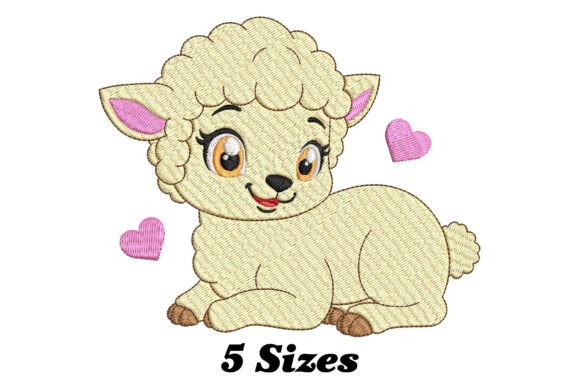
Happy Lamb Embroidery Design Review
As an experienced embroidery designer who frequently browses Creative Fabrica for new assets, I recently evaluated the Happy Lamb machine embroidery design. My goal was to determine if this piece could stand up to real-world commercial use, specifically for handmade gifts, custom apparel, and Etsy shop inventory. After reviewing the visual details and considering its potential application in various projects, here is my honest assessment of how this design performs in a professional workflow.
First Impressions and Visual Charm
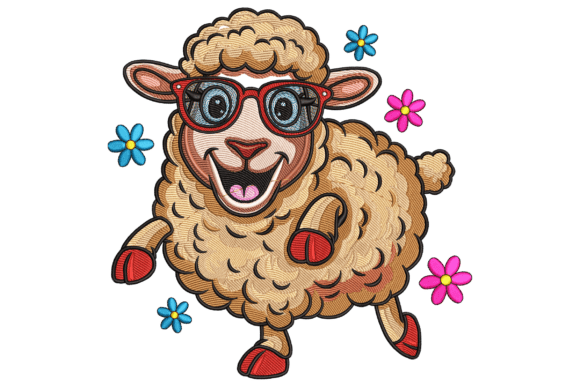
The moment you open the file, the Happy Lamb design immediately conveys a sense of whimsy and warmth. It is not just a generic animal shape; it possesses a distinct personality that feels perfect for adding a quirky accent to any project. The visual mood is light and playful, making it an ideal candidate for nursery decor, baby items, or spring-themed collections. Unlike some designs that feel overly rigid or stiff, this one suggests a soft, approachable character that customers will naturally gravitate toward.
The detail level appears balanced for a design intended for mass production or small-batch crafting. It avoids excessive complexity that might cause issues on curved surfaces like caps while retaining enough definition to look high-quality on flat surfaces such as tote bags or aprons. For designers looking for Farm Animals themes that aren't too traditional, this design offers a fresh take that fits well into modern boutique merchandise.
Real-World Application Scenarios
I often test designs by imagining them on specific products before committing to a full run. The Happy Lamb design shows strong potential across several categories:
- Custom Apparel: This design would work beautifully on sweatshirts, t-shirts, and hoodies. The charm of the lamb adds a fun element to casual wear without being overwhelming.
- Home Decor: Imagine this stitched onto a kitchen towel or a decorative pillow cover. It brings a cozy, farmhouse aesthetic that is currently very popular in home styling.
- Baby Items: A baby blanket or a onesie featuring this design would make for a delightful personalized gift. The soft nature of the subject matter pairs perfectly with delicate fabrics.
- Accessories: Tote bags are a staple for craft fair sellers, and this design provides a unique selling point. It also has the potential to be scaled down for an embroidered patch or a cap logo.
For digital product sellers, having a clean vector-style embroidery file like this allows for easy creation of printable mockups. You can visualize the final product on various backgrounds to attract buyers on platforms like Etsy or social media, enhancing your brand consistency.
Technical Considerations for Stitching
While the concept is charming, the success of a commercial embroidery project relies heavily on technical execution. When working with the Happy Lamb, there are several practical factors to consider to ensure a flawless finished product.
Hoop Size and Detail Resolution
One of the first things to check is the recommended hoop size. If the design includes tiny lettering or intricate facial features, it may struggle in smaller hoops where the fabric tension is tightest. Always verify the file details on the Creative Fabrica product page to ensure the dimensions match your intended project. If the design is too large for a standard 4x4 hoop, you may need to split the file or use a larger frame.
Stitch Density and Fabric Choice
The balance between satin stitch, fill stitch, and running stitch is crucial. High-density areas can sometimes cause puckering, especially on stretchy fabrics like jersey or thin cotton. To mitigate this, always use the proper stabilizer. For t-shirts and sweatshirts, a cut-away stabilizer is often necessary to support the weight of the stitches and prevent distortion after washing. On textured fabrics like towels, the design might sink slightly, so testing on scrap material is essential.
Thread Color Contrast
The visual impact of the design depends entirely on thread selection. On dark fabrics, you will likely need a underlay or a lighter base color to make the lamb pop. Conversely, on light fabrics, ensure the thread colors have enough contrast to define the shapes clearly. I recommend creating a few variations using different thread colors to see which combination best suits your target audience.
Elevating Product Value and Brand Trust
In the world of handmade goods, the quality of the embroidery directly influences buyer trust. A poorly executed design can make a product look cheap, whereas a well-stitched Happy Lamb elevates the perceived value of the item. When a customer receives a tote bag or a pillow with crisp, clean stitching, they are more likely to leave a positive review and return for future purchases.
This design also enhances giftability. A personalized gift featuring a cute animal motif often carries more emotional weight than a generic print. For craft fair products, having a unique design like this helps your booth stand out among competitors selling mass-produced items. Furthermore, when photographing your finished products, the texture and depth of the embroidery add a tactile element to your images, engaging customers visually even through a screen.
Practical Testing and Final Checklist
Before launching a line of products featuring the Happy Lamb, I strongly advise following a strict testing protocol. Do not skip these steps, as they protect your reputation and your materials.
- Test on Scrap Fabric: Always stitch the design on a piece of scrap fabric that matches your final product's weight and composition. This reveals how the fabric reacts to the needle and stabilizer.
- Inspect Small Details: Zoom in on the final stitched sample. Are the eyes clear? Is the text legible? Sometimes, fine details can get lost during the digitizing process or if the machine tension is off.
- Check File Details: Return to the Creative Fabrica product page to confirm the file formats (e.g., .dst, .pes, .exp) and ensure they are compatible with your specific embroidery machine.
- Review Licensing: If you plan to sell finished items commercially, carefully read the license terms provided on the product page. Ensure you have the right to use the design for resale and understand any restrictions on the number of units you can produce.
- Compare Mockups: Create digital mockups showing the design on both light and dark backgrounds. This helps you decide which thread colors will offer the best visual appeal for your marketing photos.
The Happy Lamb design represents a solid addition to any collection of design assets. It strikes a nice balance between simplicity and character, making it versatile for a wide range of applications from tote bag design to nursery decor. By approaching the project with careful planning and attention to technical details, you can transform this digital file into a profitable and beloved physical product.
Ultimately, the decision to use this design comes down to whether it fits your specific brand voice and technical capabilities. If you are looking to add a touch of farm-fresh charm to your handmade product lineup, this design is certainly worth exploring. Just remember to test thoroughly, choose your threads wisely, and let the quality of your work speak for itself.