Grape Vine Leaf Embroidery Review
When I first opened the Grape Vine Leaf file, my initial reaction was one of quiet appreciation for its botanical charm. It isn't trying to be a loud statement piece; instead, it offers a grounded, organic feel that speaks directly to lovers of nature and rustic aesthetics. As a designer who frequently evaluates digital assets for real-world application, I look beyond the pretty preview image to understand how a design will behave under the needle. This particular embroidery design strikes a balance between detailed imagery and practical stitchability, making it a strong candidate for both personal hobbies and commercial ventures.
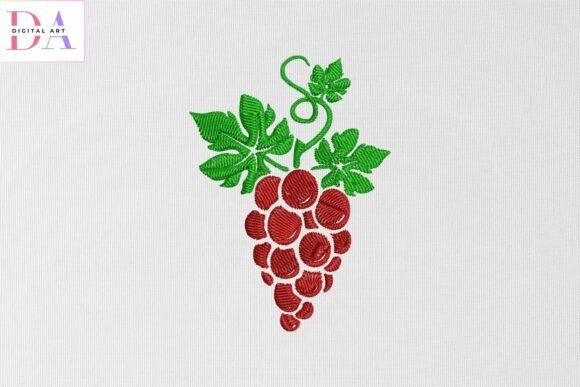
The visual personality of Grape Vine Leaf is unmistakably tied to themes of harvest, abundance, and kitchen warmth. The composition features detailed red grapes clustered with lush green leaves, creating a natural flow that mimics the way vines grow in reality. For an embroidery enthusiast, this means the design has a built-in rhythm. It doesn't feel static or stiff. When I imagine stitching this out, the varying shapes of the leaves suggest a mix of fill stitches and satin work that would add texture to a flat surface. It feels like a design that belongs on a well-loved apron or a canvas tote bag used for carrying fresh produce from a farmers market.
Real-World Application: From Screen to Stitch
To truly judge a design, you have to visualize it on a physical object. Let's say I am preparing a custom order for a local boutique owner who wants a line of handmade kitchen towels featuring seasonal motifs. I pull up Grape Vine Leaf as a potential centerpiece. The first thing I consider is the placement. On a standard 10x10 inch tea towel, this design could sit comfortably in the corner or run horizontally across the top hem. The color palette—deep reds and vibrant greens—is classic and timeless, ensuring it won't look dated next season.
However, the devil is often in the details when moving from a digital mockup to a finished product. If I were using this for a small shop product like a set of embroidered napkins, I need to think about the thread colors. The red grapes need to pop against the fabric background without bleeding into each other if the stitch density is too high. In my experience, designs with dense clusters of fruit can sometimes suffer from "stitch collapse" if the underlying fabric isn't stabilized correctly. Grape Vine Leaf appears to have a moderate density, which is excellent for stability, but I would still recommend testing it on scrap fabric before committing to expensive linen or cotton blends.
I also considered using this design for a personalized gift scenario. Imagine a wedding gift for a couple who loves cooking. A custom apron embroidered with Grape Vine Leaf alongside their initials would feel incredibly thoughtful. The theme fits the culinary context perfectly without being overly literal. It elevates the item from a simple utility garment to a piece of home décor. The design's organic curves soften the overall look, making it approachable and friendly, which is exactly what customers want when they are buying a handmade product.
Navigating Fabric Challenges and Limitations
While Grape Vine Leaf is versatile, no single embroidery file is a magic bullet for every situation. There are specific scenarios where this design requires careful handling. For instance, attempting to stitch this onto a stretchy fabric like a jersey t-shirt or a thin knit sweatshirt without proper stabilizer could result in puckering. The grape clusters contain enough detail that any distortion in the fabric would be immediately visible, potentially ruining the visual appeal of the finished product.
Similarly, if you are working with a very small hoop size, you might find the outer edges of the leafy tendrils getting cut off or looking cramped. Small hoop sizes often force the machine to over-compensate with tension, which can lead to thread breaks or uneven coverage in the darker areas of the grapes. If your goal is to create an embroidered patch using this design, you will need to ensure the border is wide enough to allow for trimming and edge finishing. A design that looks great on a large tablecloth might look cluttered on a tiny cap unless the digitizing accounts for the reduced space.
Dark fabrics present another consideration. While the red grapes might blend nicely with a deep navy or burgundy background, the lighter green leaves might get lost if the thread weight isn't sufficient. In these cases, I often advise checking the contrast by viewing the design in black and white mockups before stitching. If the value difference isn't stark enough, the design loses its impact. For dark fabrics, a light underlay or a contrasting thread color for the outlines might be necessary to make the Grape Vine Leaf design stand out clearly.
Strategic Use for Designers and Sellers
For those running a craft business or selling on platforms like Etsy, choosing the right design assets is crucial for brand consistency. Grape Vine Leaf fits seamlessly into a brand identity focused on farmhouse style, organic living, or artisanal food products. It adds a layer of professionalism to your listings because it shows attention to detail and aesthetic cohesion. Customers trust sellers who use high-quality, well-thought-out designs rather than generic clip art.
When creating a printable mockup for your online store, this design works beautifully to showcase versatility. You can display it on a variety of items—a tote bag design for grocery runs, a baby embroidery project for a nursery wall hanging, or even a holiday embroidery piece for a festive table setting. The fact that it falls under the Food category naturally makes it relevant for kitchen-related merchandise, but its botanical nature allows it to cross over into general home décor as well. This flexibility increases the potential return on investment for your time spent digitizing and marketing the design.
Before you start producing hundreds of units, remember the golden rule of professional embroidery: always test first. Verify the stitch density and review the small details of the grape stems. Ensure that the hoop size required matches your production workflow. If you plan to sell finished items commercially, double-check the licensing terms associated with the file. Some digital embroidery files restrict commercial use, while others require attribution. Confirming these details protects your reputation and ensures you are operating legally within your craft business.
Final Thoughts on Visual Impact
In conclusion, Grape Vine Leaf is more than just a pretty pattern; it is a functional tool for creators who value quality and realism. Its ability to convey a sense of abundance and natural beauty makes it a standout choice for projects ranging from casual DIY gifts to serious commercial lines. Whether you are decorating a sweatshirt embroidery project for a winter sale or adding a touch of elegance to a baby embroidery item, this design delivers on its promise of detailed craftsmanship.
By understanding its strengths and respecting its limitations regarding fabric type and stabilization, you can leverage Grape Vine Leaf to create stunning finished products that customers will cherish. It is a reminder that the best embroidery designs are those that not only look good on a screen but hold up beautifully under the pressure of the machine needle and the wear of daily life. For any designer or maker looking to add a touch of vineyard charm to their portfolio, this is a reliable and rewarding addition.