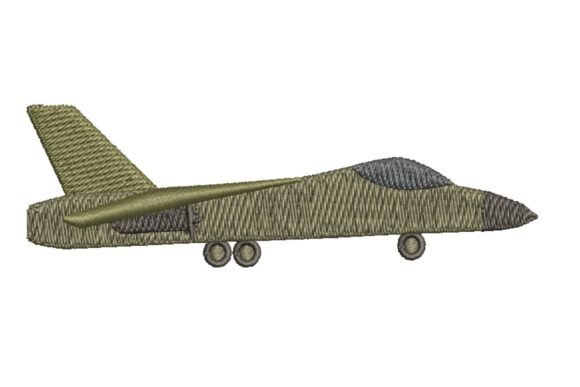
Fighter Jet Embroidery Review for Boutique Apparel
As an experienced embroidery designer constantly scouting for fresh designs to elevate my boutique collections, I recently discovered the Fighter Jet design on Creative Fabrica. When browsing through their vast library of military-themed machine embroidery designs, this specific piece caught my eye immediately. It is not just a simple icon; it carries a bold visual personality that feels ready for high-end custom apparel. Whether you are an Etsy seller looking to launch a new line of aviation gear or a small clothing brand aiming to add a rugged edge to your hoodie collection, understanding how a design like Fighter Jet translates from a digital file to a finished product is crucial.
First Impressions and Visual Mood
The first thing I noticed about the Fighter Jet design was its strong sense of motion and precision. The stitching mood is undeniably bold, making it perfect for projects that need to make a statement without relying on excessive text. For a boutique brand, this design offers a premium feel while remaining accessible enough for casual wear. It strikes a balance between being playful for kids' clothes and serious enough for adult enthusiast gear.
In terms of detail level, the design appears to have a decorative strength that works well on various fabric textures. It does not look overly minimal or generic; instead, it has a classic yet trendy aesthetic that fits perfectly into modern streetwear. If you are planning lifestyle product photos for your online shop, this design provides excellent visual consistency. The sharp lines and dynamic angles of the jet suggest speed and power, which can significantly boost buyer trust when seen on a well-executed sweatshirt or denim jacket.
Applying Fighter Jet to Sweatshirts and Hoodies
When I started envisioning this design for a small sweatshirt collection, the possibilities seemed endless. For a neutral sweatshirt, the Fighter Jet design would pop beautifully, offering a clean and professional presentation. On pastel hoodies, it adds a unique twist to a soft color palette, creating a striking contrast that appeals to younger demographics or those who prefer a softer take on military themes.
I am particularly interested in using this as a chest placement design on oversized garments. The scale of the jet seems substantial enough to hold its own on a large front panel without looking lost. However, the design also has potential as a sleeve accent. A smaller version or a strategic placement on the upper arm could create a subtle yet stylish detail that customers love to spot. For back designs, this could serve as a focal point for a limited edition drop, turning a standard hoodie into a collectible item.
Beyond sweatshirts, I see great value in applying this to t-shirt embroidery. The crisp lines of the Fighter Jet design should translate well to cotton blends, provided the stitch density is appropriate. Furthermore, for tote bag design applications, this motif adds a functional element to everyday carry items, appealing to aircraft enthusiasts who want to showcase their passion outside of clothing.
Strategic Placement and Fabric Considerations
While the design is versatile, there are specific areas where a designer must exercise caution. Small chest placement requires careful consideration of the garment's proportions. If the chest area is too narrow, the fighter jet might appear cramped, disrupting the visual flow of the apparel. Similarly, dense stitch areas can sometimes cause puckering if the underlying fabric is not stabilized correctly.
Stretchy fabrics like fleece require extra attention. When embroidering on stretchy material, the tension of the stitches can pull the fabric, leading to distortion over time. Ribbed fabric, often found on cuffs and collars, presents another challenge due to its uneven surface. Placing a complex design like Fighter Jet on a curved surface, such as the shoulder or near a seam, demands precise hoop size selection to ensure the image remains true to its original shape.
Dark garments offer a dramatic backdrop but necessitate high thread color contrast. Without proper underlay or bright thread choices, the details of the jet may get lost against black or navy backgrounds. Additionally, tiny lettering, if included with the design, might be difficult to read on textured fabrics or after washing. Designers should always test on similar garment fabric before committing to a full production run.
Impact on Brand Identity and Commercial Value
Integrating a high-quality machine embroidery design like Fighter Jet can profoundly affect your apparel value and brand identity. In the competitive world of handmade products, visual quality is often the first indicator of professionalism. A well-executed embroidery project signals to customers that you care about the details, which directly influences customer engagement and product recognition.
For an Etsy seller or a commercial embroidery business, having a cohesive library of designs allows for consistent branding across different product lines. When a customer sees the same level of quality on a tote bag, a hoodie, and a denim jacket, they are more likely to return. The Fighter Jet design, with its aviation theme, helps establish a niche identity for shops specializing in military or aviation-inspired merchandise. This specificity can turn casual browsers into loyal buyers who appreciate the curated nature of your offerings.
Furthermore, this design is highly effective for printable mockups and social media graphics. High-resolution images of the embroidery work can be used to showcase your craftsmanship online, driving traffic to your listings. The dynamic nature of the jet makes it ideal for video content, where the light catches the threads and highlights the stitch density, providing a tangible sense of quality to remote shoppers.
Practical Designer Notes for Production
Before moving forward with any commercial embroidery projects, I strongly advise testing the design on scrap fabric. This step is non-negotiable for ensuring the final product meets your standards. You must check your stabilizer choice carefully; a heavy-duty cut-away stabilizer is often required for sweatshirt embroidery to prevent the fabric from shifting during the process.
Reviewing thread color contrast is another critical step. Depending on the background of your apparel, you may need to switch from standard polyester threads to metallic or high-vis options to capture the full effect of the Fighter Jet design. Confirming the hoop size is essential to avoid cutting off parts of the design or causing unnecessary strain on the machine.
Inspecting the stitch density will help you determine if the design is too tight for delicate fabrics or too loose for durable materials. Always compare placement options on the actual garment to ensure the design sits correctly relative to seams and pockets. Finally, it is vital to check the Creative Fabrica product details and licensing agreements before selling finished apparel. While the description mentions multiple embroidery file formats, you should verify the specific compatibility with your equipment and confirm the terms regarding commercial use to protect your business.
The Fighter Jet design represents a solid addition to any digital embroidery file collection. Its bold character and versatility make it a prime candidate for creating standout pieces in a boutique apparel line. By paying attention to fabric texture, stabilization, and placement, you can transform this digital asset into a profitable and visually stunning finished product that resonates with aviation lovers and fashion-forward consumers alike.