Donkey Line Art: A Designer's Real-World Review
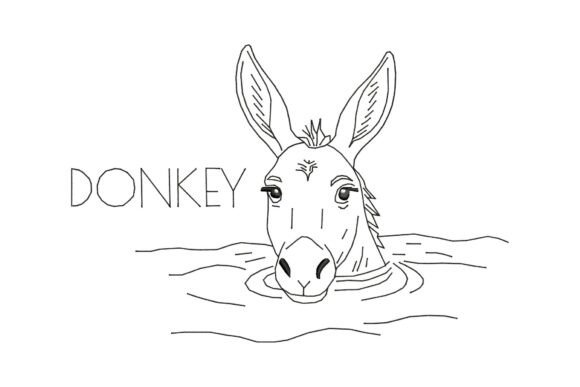
When I first opened the Donkey Line Art file, my immediate reaction wasn't about the technical specs or the stitch count. It was about the mood. There is a distinct quiet elegance in this design that separates it from the typical cartoonish farm animal motifs flooding the market. As someone who spends hours evaluating embroidery designs for both personal crafting and client work, I look for pieces that hold their own after the stitching is complete. This piece delivers exactly that.
The "Line Art" aspect is the star here. Unlike dense fill-stitch animals that can look heavy on delicate fabrics, this design relies on clean outlines and negative space. It feels modern, minimalist, and surprisingly versatile. Whether you are an Etsy seller looking to expand your Farm Animals collection or a small business owner creating branded merchandise, this design offers a level of sophistication that elevates the perceived value of the final product.
From Digital File to Finished Product: The Tote Bag Test
To truly understand how a design performs, you have to put it through a real-world scenario. I recently decided to test Donkey Line Art on a custom tote bag project intended as a gift for a local boutique owner. The goal was to create something unique that wouldn't clash with the store's existing aesthetic but would still stand out on a shelf.
I selected a sturdy canvas fabric, which is a common choice for tote bag design projects because it holds structure well. However, the challenge with line art on textured canvas is maintaining clarity without the lines getting lost in the weave. I chose a high-contrast thread color—a deep charcoal against the natural beige canvas—to ensure the silhouette remained sharp. The result was striking. The simplicity of the design allowed the texture of the canvas to peek through, adding depth that a solid fill-stitch design would have obscured.
This approach works exceptionally well for handmade products where you want the craftsmanship to shine. Customers often appreciate designs that feel curated rather than mass-produced. By using Donkey Line Art, the finished tote bag felt like a deliberate artistic choice rather than just a generic print. It fits perfectly into the narrative of a boutique selling artisanal goods, enhancing the brand consistency without overwhelming the customer.
Where This Design Shines: Versatility Across Categories
One of the most valuable assets of this embroidery file is its adaptability. In the world of commercial embroidery, finding a single design that works across multiple categories can save hours of re-digitizing time. Here is how Donkey Line Art translates to various applications:
- Custom Apparel: On a sweatshirt or t-shirt, the clean lines offer a stylish, understated look. It avoids the "costume" feel that sometimes plagues animal-themed clothing, making it suitable for adults as well as children.
- Baby Embroidery: For baby clothes or nursery decor, the soft nature of line art is gentle on the eyes. It pairs beautifully with pastel thread colors, creating a soothing aesthetic for a crib sheet or a onesie.
- Holiday Gifts: During the holidays, this design adds a touch of rustic charm to kitchen towels or pillow covers. It fits the farmhouse trend perfectly while remaining timeless enough to be used year-round.
- Embroidered Patches: If you plan to turn this into an embroidered patch, the clear outline makes it easy to define the edges. Just ensure your backing stabilizer is strong enough to support the shape when cut out.
The design also serves as an excellent asset for digital sellers. Creating printable mockups of this design on various backgrounds allows you to visualize how it looks before committing to physical production. This is crucial for craft business owners who need to showcase their design assets effectively online.
Practical Pitfalls: Where Caution is Required
While Donkey Line Art is a strong contender, no design is without its limitations. As an experienced reviewer, I must point out specific scenarios where this design might struggle if not handled correctly.
First, consider the hoop size. Because this design relies on thin lines, attempting to stitch it in a very small hoop (like 4x4 inches) might result in the details becoming too fine to distinguish. The lines could merge or disappear entirely, especially if the fabric has a tight weave. Always verify the recommended dimensions before starting.
Secondly, fabric texture plays a massive role. While it worked beautifully on canvas, testing this on a highly textured bouclé or a stretchy jersey knit requires caution. On stretchy fabrics, the lack of density in the design means there is less structural integrity to prevent puckering. You will need to use a high-quality stabilizer and possibly a tear-away backing to keep the lines straight.
Dark fabrics present another challenge. Since the design is essentially an outline, it relies heavily on thread contrast. If you are stitching on black denim, a dark blue thread might get lost. You may need to adjust your thread colors significantly or add a subtle underlay to make the lines pop. Additionally, avoid using this on items that require frequent, aggressive washing, such as heavy-duty work aprons, unless you reinforce the stitches, as thin lines can wear down faster than dense fills.
Designer Notes for Maximum Success
If you are planning to incorporate Donkey Line Art into your next embroidery project, here is my professional advice based on practical experience:
- Test on Scrap Fabric: Never jump straight into your final product. Run a test stitch on a scrap piece of the same fabric you intend to use. This helps you gauge the tension and see how the lines render.
- Check Stitch Density: Review the digitization to ensure the stitch density isn't too low. If the lines are too sparse, they might break easily. Conversely, if they are too dense, they might pucker the fabric.
- Inspect Small Details: Zoom in on the design file. Are there any tiny corners or sharp angles that might be difficult for your machine to navigate? Sometimes, minor adjustments in the digitizing phase can prevent headaches during stitching.
- Mockup in Black and White: Before choosing threads, convert the design to grayscale in your software. This helps you visualize the contrast levels and ensures the design remains legible regardless of the color palette you choose.
- Licensing and Commercial Use: If you are a small shop product creator, double-check the licensing terms. Ensure you have the right to sell finished items made with this digital embroidery file. Some licenses allow personal use only, while others permit commercial sales.
The visual appeal of Donkey Line Art lies in its restraint. It doesn't try to be everything at once; instead, it focuses on form and elegance. This makes it a trustworthy choice for building customer trust in your handmade offerings. When a buyer sees a clean, well-executed line-art design, they perceive a higher level of professionalism and attention to detail.
In conclusion, Donkey Line Art is a smart addition to any library of machine embroidery design files. It bridges the gap between traditional farm themes and modern aesthetics. Whether you are creating a personalized gift for a friend or expanding your inventory for a creative entrepreneur venture, this design provides a solid foundation for success. Just remember to respect the limitations of the medium, test thoroughly, and let the clean lines do the talking.